
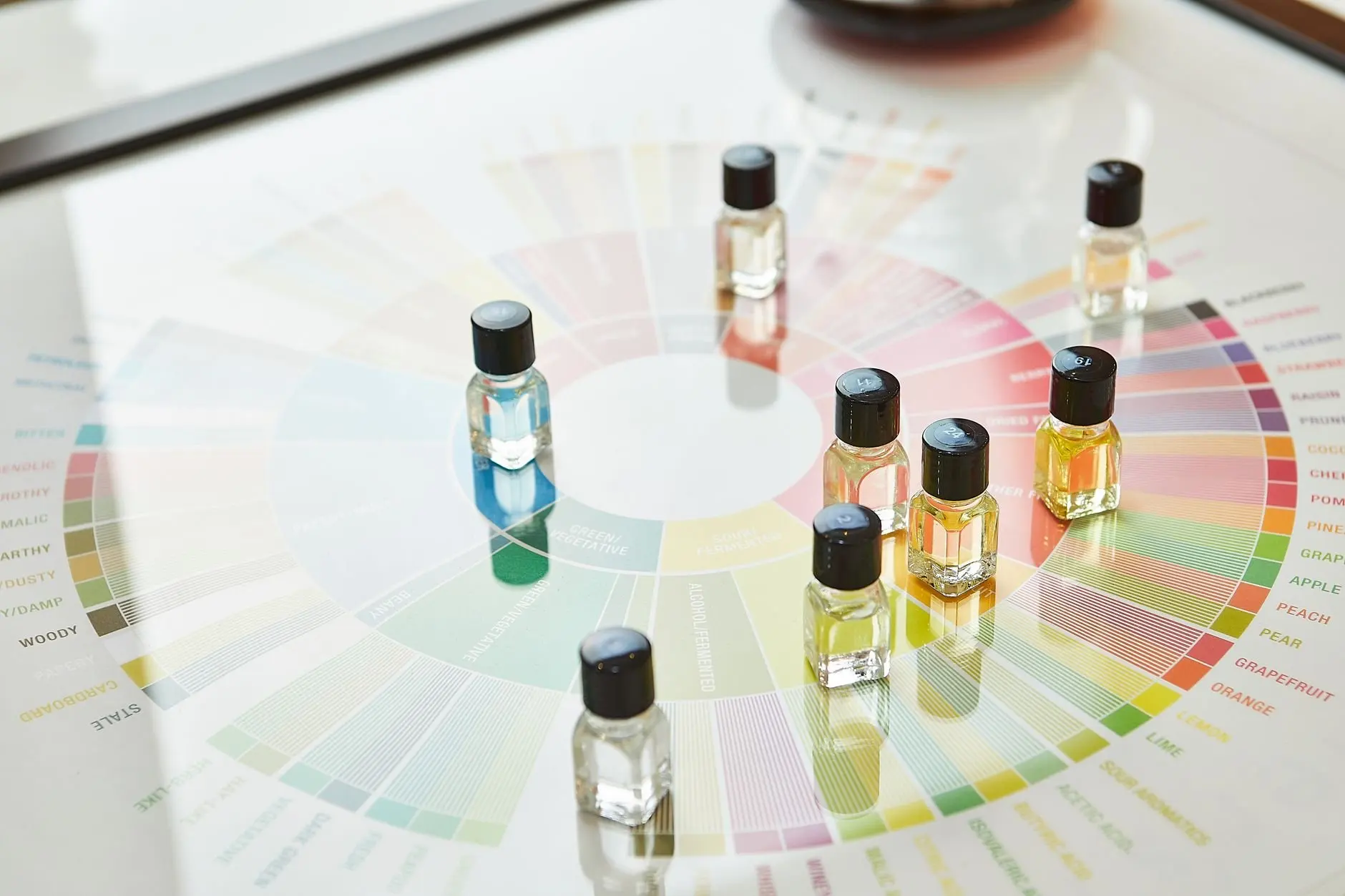
Quick answer: A wine aroma wheel is a visual glossary of wine terms organized by origin. Start near the centre, decide whether an aroma comes from the grape, fermentation or aging, then move outward to the specific descriptor.
Tasting notes and any wine review become easier to write and read once those three origins are clear. For the wider vocabulary that sits around aroma, see wine tasting terms.
What a wine aroma wheel does
Wine Folly describes its flavor wheel as a visual glossary of wine terms organized by origin. That organizing principle makes it a working tool rather than a decorative poster. Each ring answers a practical question: where did this smell come from?
The tool matters because wine tasting gives few visual cues. Wine Folly points out that wine is not a visual experience, so there is little to anchor a scent in memory. The wheel supplies the missing picture, turning a vague impression into a word you can recall next time.
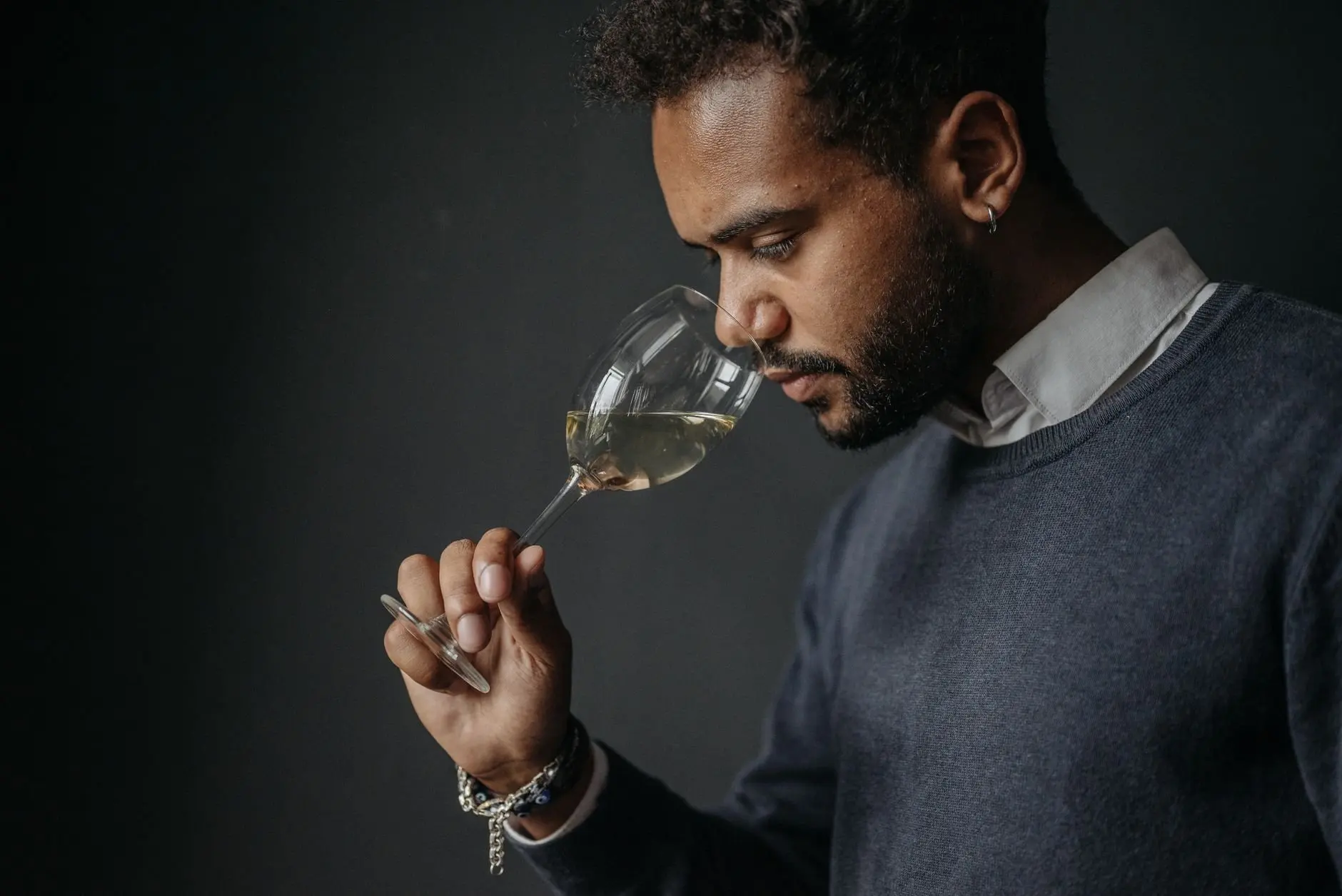
It also keeps a tasting manageable. The same source notes that it is possible to detect several hundred aroma compounds in a single glass of wine. Nobody names them all, and the wheel narrows the search to a few families so that a taster can name what stands out.

Choosing where to start on the wheel
Begin with the layer that best matches your first impression, not with a long list of descriptors. The right entry point depends on what the glass smells like.
- Fruit, flower or herb first. Begin with the grape-derived layer. These are the aromas that come from the grape itself.
- Cream, bread, mushroom or butter first. Begin with the fermentation layer. These smells point to what happened after the grapes were crushed.
- Vanilla, nuttiness, coffee or tobacco first. Begin with the aging layer. These aromas develop with aging and oxidation.
- Nothing obvious. Ask whether the smell is closer to grape, yeast or aging, and work outward from whichever feels nearest.
| Aroma layer | Where it comes from | Example aromas | Planning use |
|---|---|---|---|
| Primary | The grape | Fruit, flower and herb | Start here for young, fresh-smelling wines and for judging the grape’s character. |
| Secondary | Fermentation | Cream, bread, mushroom, butter | Check here when the wine smells rounder or richer than plain fruit. |
| Tertiary | Aging and oxidation | Vanilla, nuttiness, coffee, tobacco | Check here when the wine smells savoury, toasty or mature. |
The layers and examples follow Wine Folly’s introduction to its wine flavor chart.
Reading the wheel from the centre outward
The centre of the wheel holds the broad origin of an aroma, and the outer ring holds the specific words. Moving outward is a way of getting more precise without guessing. Settle the origin first, then the descriptor.
Primary aromas: the grape
Primary aromas are grape-derived and include fruit, flower and herb aromas, according to Wine Folly. They are the best place for a beginner to start, because they are the aromas most people already know from everyday life. Treat them as the baseline description of the grape before anything the winemaker or the cellar has added.
Secondary aromas: fermentation
Secondary aromas come from fermentation. Wine Folly lists cream, bread, mushroom and butter as typical smells. If a wine smells of more than plain fruit, this ring is the next one to check. Winemaking is the link here: these aromas tell you about what happened to the wine after the grape, not about the grape itself.
Tertiary aromas: aging and oxidation
Tertiary aromas develop with aging and oxidation, and Wine Folly gives vanilla, nuttiness, coffee and tobacco as examples. This is the layer that connects most directly to time in the cellar. It is also the layer to weigh when a taster is trying to place a wine’s vintage, for instance in blind tasting, where the goal is to identify variety, vintage and region without knowing any details.
Oak is one concrete case. Wine Folly notes that a wine aged in new oak barrels will always have some presence of a compound called whiskey lactone, one of the impact compounds covered on the back of its chart. Reading an oak-related note as an aging signal is more reliable than treating it as a grape trait.
Using the wheel during a tasting
Use the wheel as a checklist after you smell the wine, not as a script you read before you do. The sequence below follows Wine Folly’s suggestions.
- Smell the wine. Wine Folly suggests trying it with your eyes closed, which removes the distraction of colour and the wheel itself.
- Pick the layer. Decide whether the strongest impression is grape, fermentation or aging.
- Name at least 3 different aromas. That is the target the chart’s guide suggests as a first step. Do not stop at the first match.
- Record the origin of each. The chart is built so you can see where the aromas came from: grape, yeast or aging.
Writing the origin beside each aroma is what turns a list of smells into a description of the wine. Two fruit notes and one bready note say more about a wine than three fruit notes. Aroma is only one part of a note, and weight and texture are separate questions, which what is wine body covers.
Printed wheels and tasting notes
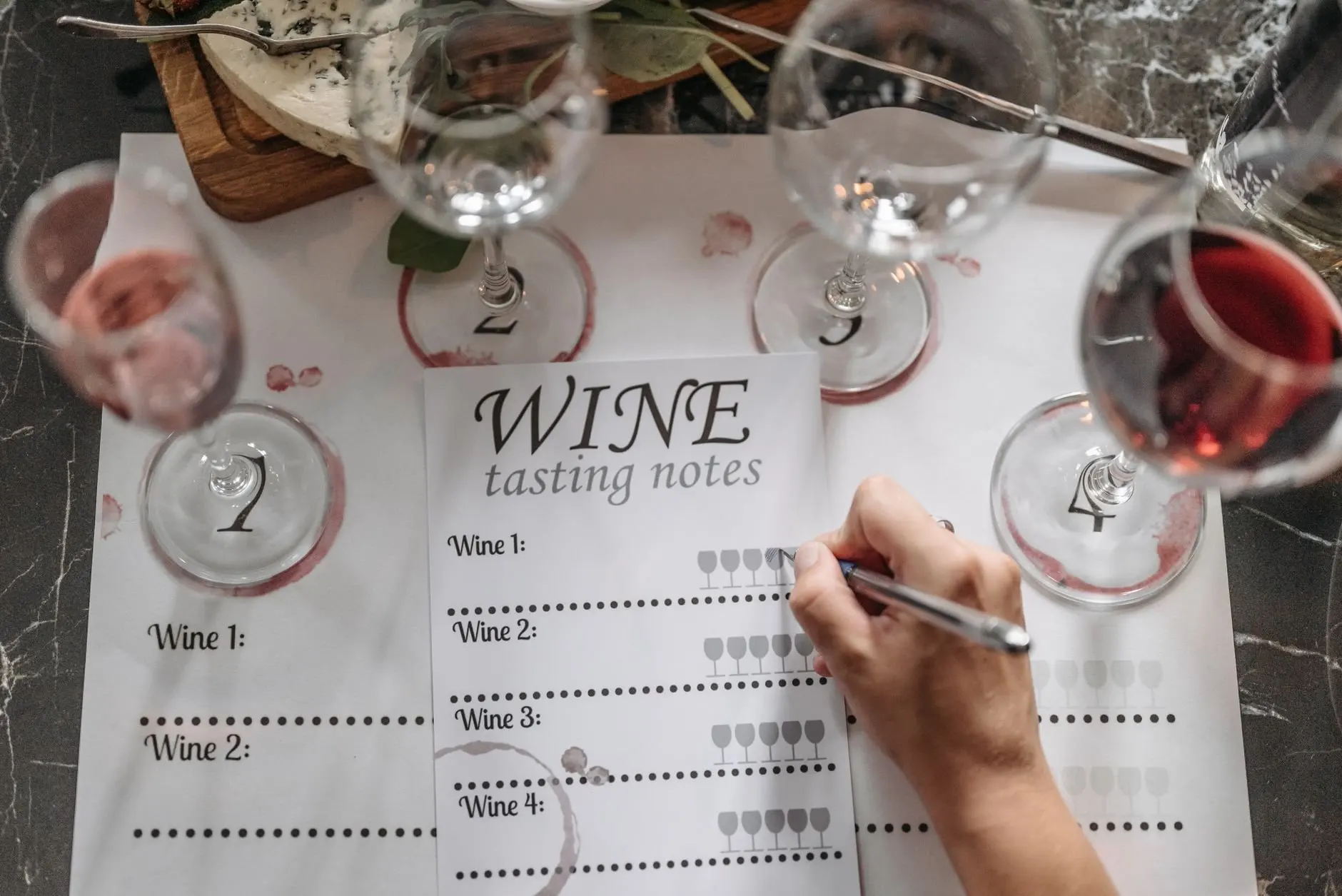
A printed wheel suits anyone who tastes several wines in a sitting. Keeping it on the table next to the glass means you can check a layer and write the result without breaking off. A printed sheet also holds your notes in one place, so you can compare wines later.
A simple note layout is enough. Give each wine its own row, and write the layer and the descriptor beside each aroma. Over time, that record shows which layer you notice most and which one you tend to miss. Missed layers are usually the secondary and tertiary ones, since fruit comes to mind first.
The back of Wine Folly’s flavor chart goes further than the wheel itself. It includes over a dozen impact compounds in wine, which suits tasters who want to link a specific smell to a specific compound. Beginners can ignore that side until the main wheel feels comfortable.
Troubleshooting common problems
- Nothing on the wheel matches. Go back to the centre. Ask whether the smell is closer to grape, yeast or aging, and narrow outward from that layer instead of hunting for the exact word.
- Everything sounds like fruit. Look at the fermentation and aging layers on purpose. Cream, bread, mushroom, butter, vanilla, coffee and tobacco are easy to overlook when fruit dominates.
- The glass feels overwhelming. A glass can contain several hundred aroma compounds, so naming only a handful is normal. Aim for at least 3 clear aromas and add more only if they are distinct.
- Your notes disagree with another taster’s. Compare layers before descriptors. Agreement on origin matters more than agreement on the exact word.
Frequently asked questions
Which layer does vanilla belong to?
Wine Folly lists vanilla among tertiary aromas, which develop with aging and oxidation, alongside nuttiness, coffee and tobacco.
Why might a wine smell of butter or bread?
Those smells are secondary aromas from fermentation. According to Wine Folly, fermentation aromas can smell like cream, bread, mushroom, or butter.
Can an aroma wheel tell me a wine’s vintage?
No. The wheel helps describe and sort what you smell. Aging aromas are one clue for a taster working out variety, vintage and region blind, but they do not prove a year on their own.
What is on the back of Wine Folly’s flavor chart?
The back side lists over a dozen impact compounds in wine, such as whiskey lactone, which is present in wine aged in new oak barrels.