
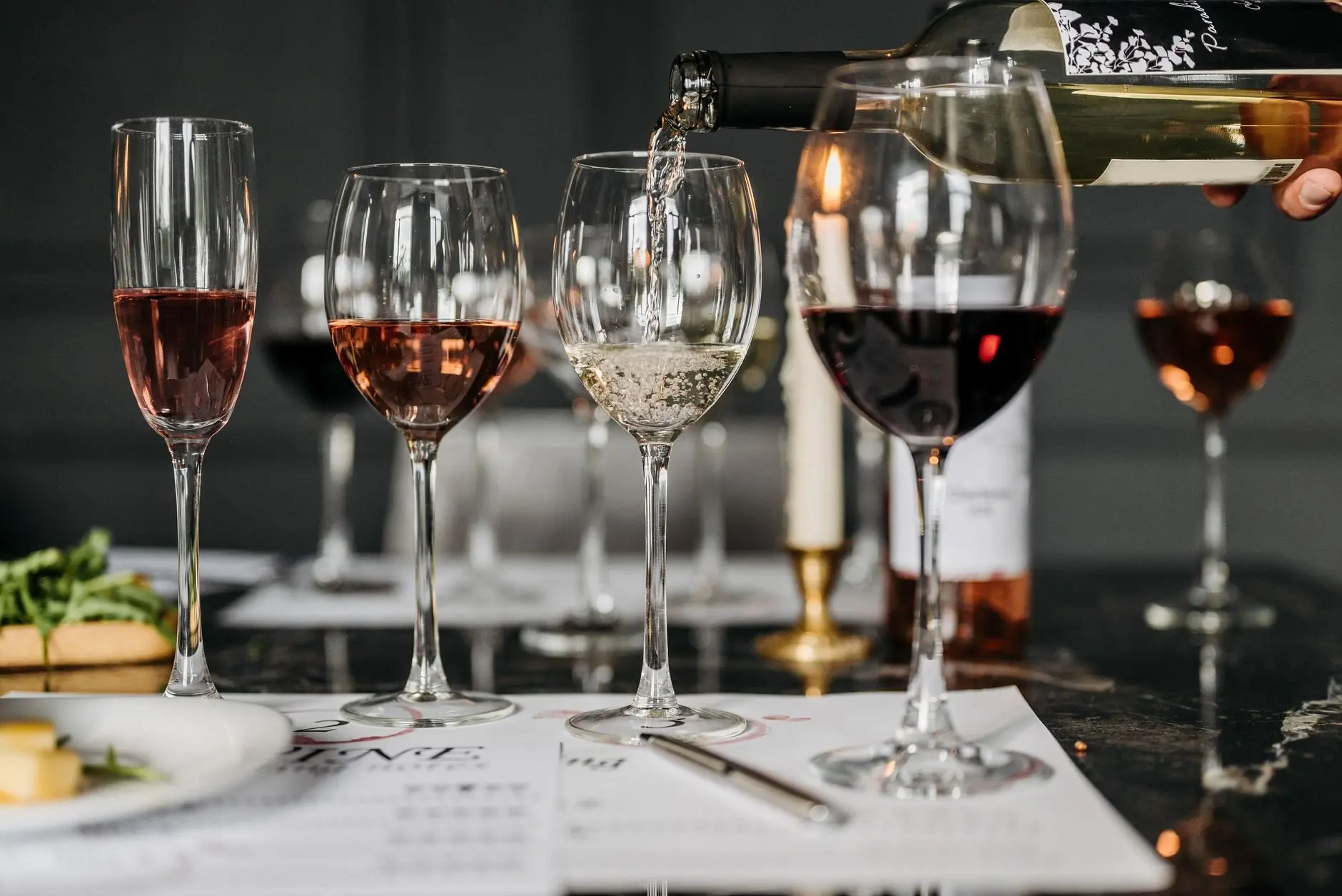
Standing at a tasting table with a blank notebook, start with a handful of wine tasting terms: dry, acidity, tannin, body, balance and finish. Each names something you can check in the glass.
Notes built from these words slot neatly into any wine review. The shortlist below is grouped by what you perceive, so you can pick the right word quickly instead of reaching for “nice”.
- Start with structure words. Dry, acidity, tannin and body are the easiest to confirm.
- Add aroma and flavor words next. Floral, fruity, herbal and berry cover most first impressions.
- Finish with length. Finish and aftertaste show whether a wine fades quickly or lingers.
The shortlist at a glance
Six terms do most of the work in a tasting note. The table gives each a plain meaning and a sense of when to reach for it.
| Term | Plain meaning | Planning use |
|---|---|---|
| Dry | Relatively little sugar compared with a sweet wine | Use it for sweetness, not for how a wine feels in the mouth. |
| Acidity | Gives lively flavor; too much tastes sour and tart | Use it when a wine feels fresh or sharp. |
| Tannin | From grape skins and stems; gives structure and a drying, slightly astringent feel | Use it for grip, mostly in reds. |
| Full-bodied | Rich in extract, alcohol and glycerin | Use it for weight, not for flavor. |
| Balance | Acidity, fruit, sugar and tannins in equilibrium | Use it only after you have judged the parts. |
| Finish | A more vivid description of the aftertaste | Use it to describe how long and how pleasant the flavor lingers. |
Definitions follow the Cella Raiders wine tasting guide.
Dry: the sweetness word
Dry describes a wine that contains relatively little sugar compared with a sweet wine. It is a statement about sugar only.
Many tasters use “dry” for anything that feels sharp or grippy, and that blurs two separate sensations. If the mouth feels puckered or rough, the better words come from the acidity and tannin sections below. Keep “dry” for the sweetness question and a note immediately becomes more precise.
Acidity and the crisp, fresh group
Acidity in wine supplies lively flavor, but too much acid makes a wine taste sour and tart. A good note therefore says whether the acidity feels lively or excessive.
Vintage can shift the picture. Wines from hot years tend to be lower in acidity than those from chillier growing seasons, so a vintage year is a reasonable clue when a wine seems softer or sharper than its neighbors. This is a tendency, not a rule for any single bottle.
Crisp and refreshing are the everyday words for this side of wine. Riesling, for example, often has a crisp and refreshing aftertaste. Use crisp when freshness is the main impression, and reserve sour or tart for the point where acidity tips into too much.
Tannin and the tannic, grippy group
Tannin is extracted from grape skins and stems and gives wine its structure. It also produces the drying, slightly astringent action that some wines have, which is the feeling behind the word tannic.
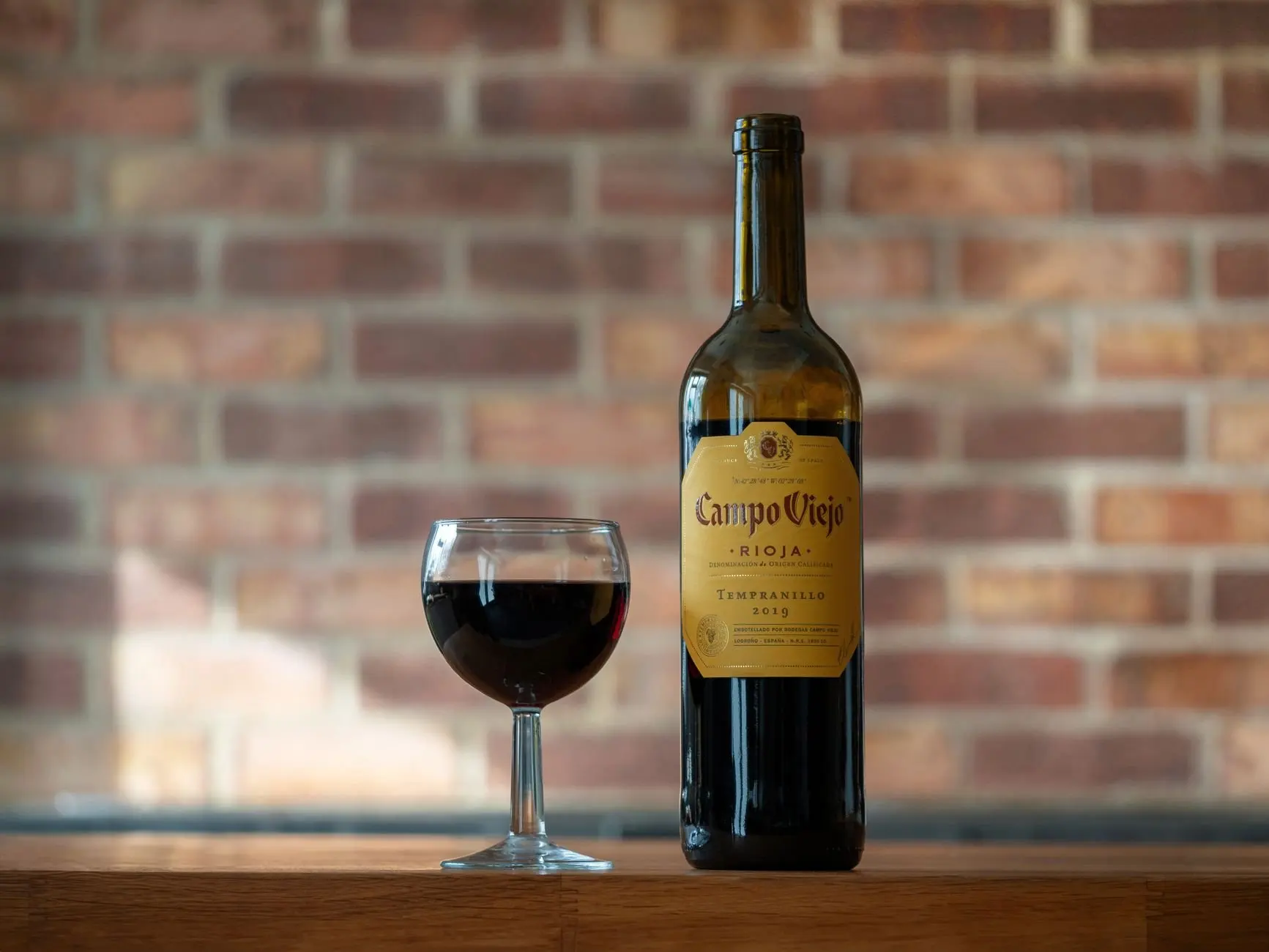
Red wines have more tannin than whites, so a young red can be quite tannic. That makes tannic a natural word for reds and an unusual one for whites. When a bold red lets you feel the structure but also tastes rich, Amarone is a useful reference point: the finest examples balance a sturdy tannin structure with robust alcohol and rich, intense flavors.
Check the details in the same tasting guide if you want the wording the glossary uses for structure.
Body, extract and balance
Full-bodied describes wines rich in extract, alcohol and glycerin. Extract here means everything in a wine other than water, sugar, alcohol and acidity.
Body is a weight word. If you say full-bodied, you are describing how substantial the wine feels, not how fruity or how dry it is.
Balance is the summary word. A wine is balanced when acidity, fruit, sugar and tannins have reached equilibrium. Because it depends on all the parts, it works best as the last line of a note, after you have named which components you noticed. Used alone, it asserts a conclusion without showing the evidence.
Aroma and flavor words
The bouquet is the aroma of a wine. Aftertaste, by contrast, is the flavor lingering in the mouth after the swallow or spit. Treat aroma as what you smell and flavor as what stays with you once you have tasted.
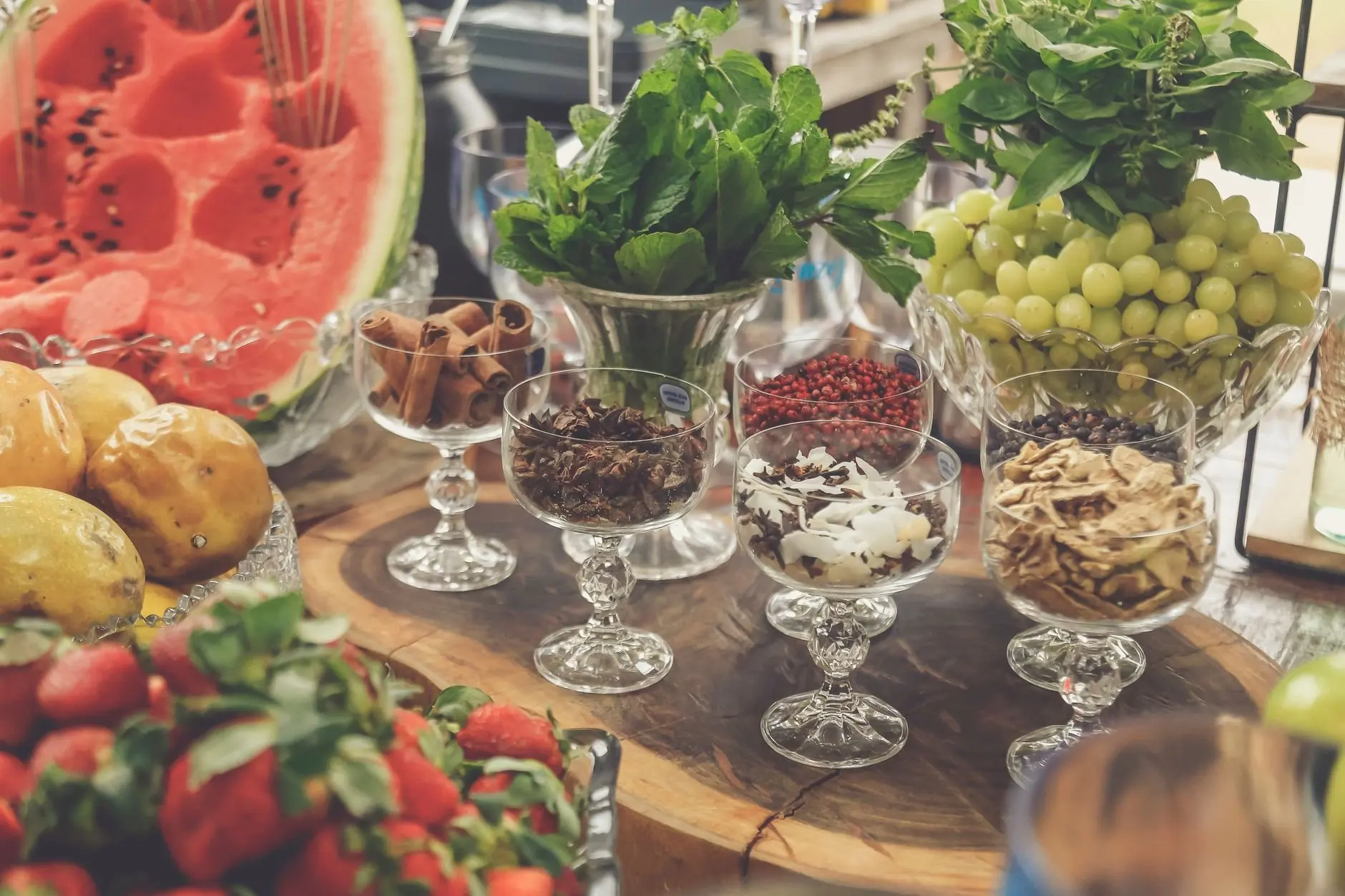
Wines often develop berry, herbal or floral bouquets and flavors, even though grapes are the only fruit in most wines. That is why aroma vocabulary borrows from fruit, herbs and flowers: the words are comparisons, not ingredients.
Two pairings help when choosing between them. Floral bouquets are common in white wines, while many red wines have a fruity bouquet. Start there, then narrow to berry, herbal or a particular flower. For a visual map of how these words nest from broad to specific, the wine aroma wheel is the natural next step.
Finish and aftertaste
Finish is a more vivid description of the aftertaste, and aftertaste is the flavor that lingers after you swallow or spit. A fine wine has a long-lasting, pleasant aftertaste lasting 30 to 45 seconds or more.
Grape and style change the length. Riesling often has a crisp, refreshing aftertaste of about 30 seconds, while a great Bordeaux can linger for a minute. Use that as a rough comparison rather than a target, since the length matters less than whether the lingering flavor is pleasant.
Building a word bank that works
Wine enthusiasts have their own language for describing aromas and taste, and a tasting guide opens communication among wine drinkers of all levels and the merchants who serve them. In practice, that means a shared vocabulary lets a shop assistant understand what you liked.
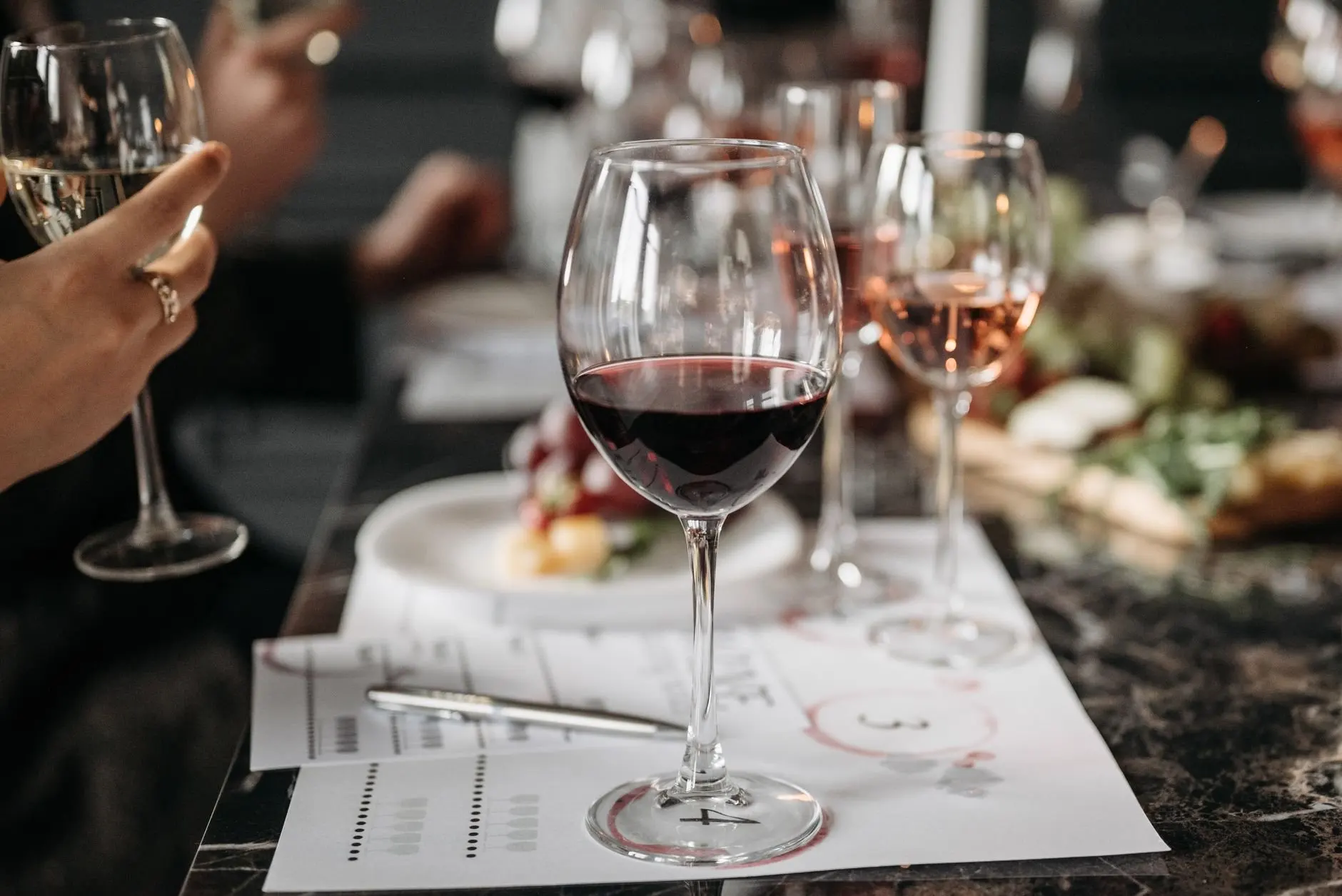
A short routine keeps the words honest:

- Judge sweetness first. Decide whether the wine is dry or sweet.
- Name the freshness. Say whether acidity feels lively, crisp or sour.
- Check for grip. Note any drying, astringent feel and attribute it to tannin.
- Add weight. Decide whether the wine feels full-bodied.
- Pick one or two aromas. Choose from floral, fruity, herbal or berry before anything more specific.
- Time the finish. End with how long the flavor lingers and whether it stays pleasant.
Words that say less than they seem to
Balanced and full-bodied are the two easiest words to overuse, because each stands in for several measurements. Balanced covers acidity, fruit, sugar and tannins together. Full-bodied covers extract, alcohol and glycerin. Back either one with the component that stood out and the note stays useful.
Dry and crisp can also be stretched past their meaning. Dry belongs to sugar, and crisp to freshness. Once a reviewer has chosen words precisely, a numerical score becomes easier to read too, and what does a 90 point wine mean explains how ratings relate to the descriptions.
Frequently asked questions
Does tannin change as a wine ages?
Yes. Tannin tends to fade with age, becoming soft and velvety in texture, so an older red often feels less grippy than a young one.
What does extract mean in a tasting note?
Extract refers to the rest of a wine’s makeup once water, sugar, alcohol and acidity are set aside. It is one of the components behind a full-bodied impression.
Is a wine glossary only for experts?
No. A tasting guide is meant to open communication among wine drinkers of all levels and the merchants who serve them.