
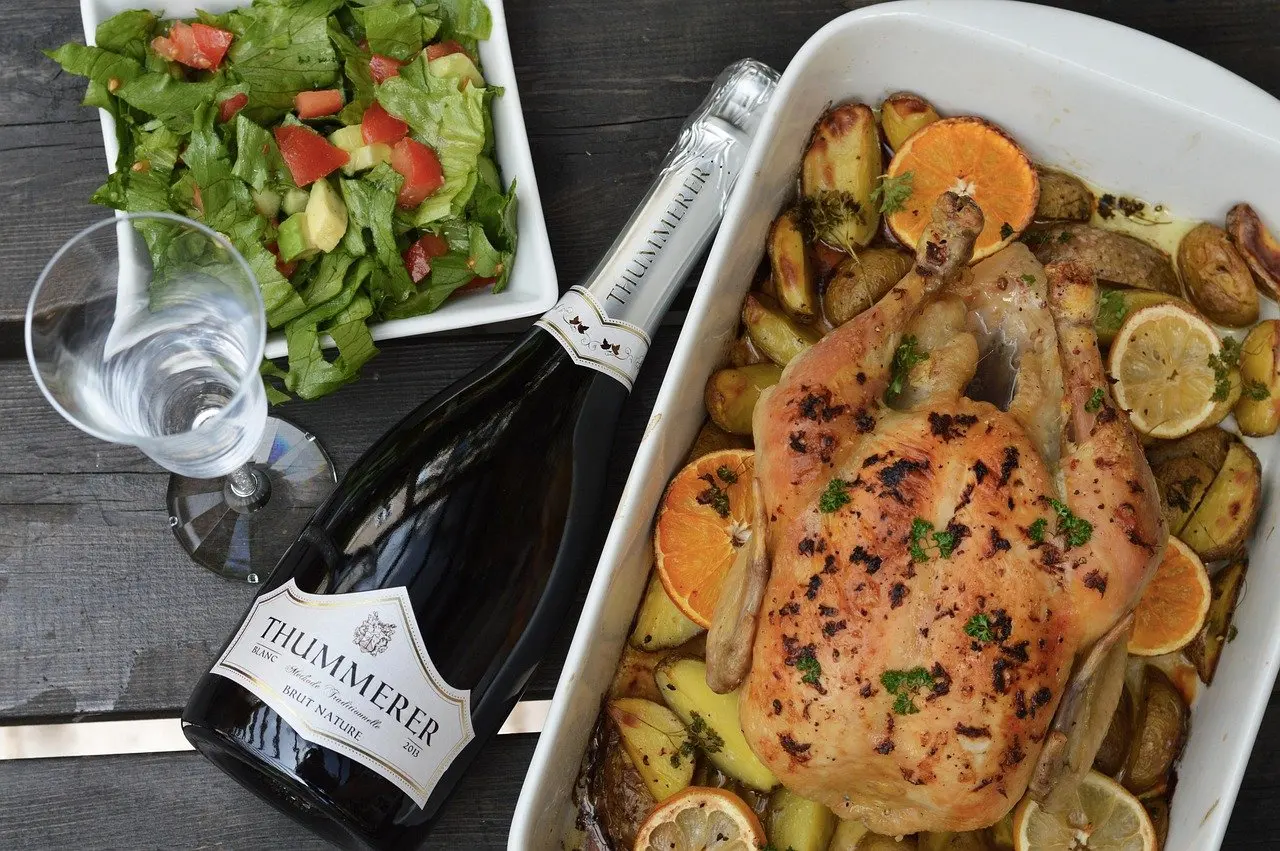
Planning a Sunday roast or a midweek fried-chicken supper and wondering what wine goes with chicken? A simple Chardonnay or dry white Bordeaux is the safe answer for most dishes; the sauce and cooking method decide when to switch.
- Chicken: start with Chardonnay or dry white Bordeaux, then adjust for the sauce.
- Turkey: richer whites, Pinot Noir or Zinfandel all work, depending on how it is roasted and served.
- Duck: choose a medium-bodied red such as Pinot Noir, because the meat is oilier and more assertive.
The same logic runs through every match on this page, and the wider principles are in the guide on how to pair wine with food. Poultry is a good place to practise it, because one bird can swing from crisp white to light red depending on what happens in the kitchen.
Chicken: the safe starting point
Chicken is a lightly flavored, medium-textured meat, according to Wine Folly’s poultry pairing guide. That mildness is why it accepts so many wines. The same guide describes white meat such as chicken breast as pairing well with white wines, naming Sauvignon Blanc and Chardonnay.
A wine merchant’s chicken guide agrees, calling a simple Chardonnay or a dry white Bordeaux a safe bet with most chicken dishes. This suits anyone cooking for a mixed table or unsure of the recipe. It is a default rather than a perfect match, and it works best when the dish has no strong sauce pulling the other way.
Choose a different style when the dish has a dominant sauce, a heavy coating or a long braise. Those cases come up in the sections below.
Roast turkey
Turkey breast is lightly flavored and has a strong texture, says Wine Folly, so it needs a wine with enough body to cope with the density of the meat without overpowering the flavor. The same white-meat logic applies: Sauvignon Blanc or Chardonnay is a dependable choice for the breast.
Roasting changes the picture. Wine Folly notes that roasting poultry begs for richer white wines such as Chardonnay or rosé, or a lighter red such as Pinot Noir or Grenache. For a holiday table with several wine drinkers, a light red like Pinot Noir is a useful middle path, because it sits comfortably beside both the breast and the darker meat.
Zinfandel deserves a mention for American-style dinners. Wine Folly says it has long been considered the best Thanksgiving wine with turkey, particularly alongside cranberry sauce. It suits hosts who want a fruitier red on the table. Anyone serving a delicate, plainly cooked bird may prefer the lighter Pinot Noir.
Duck
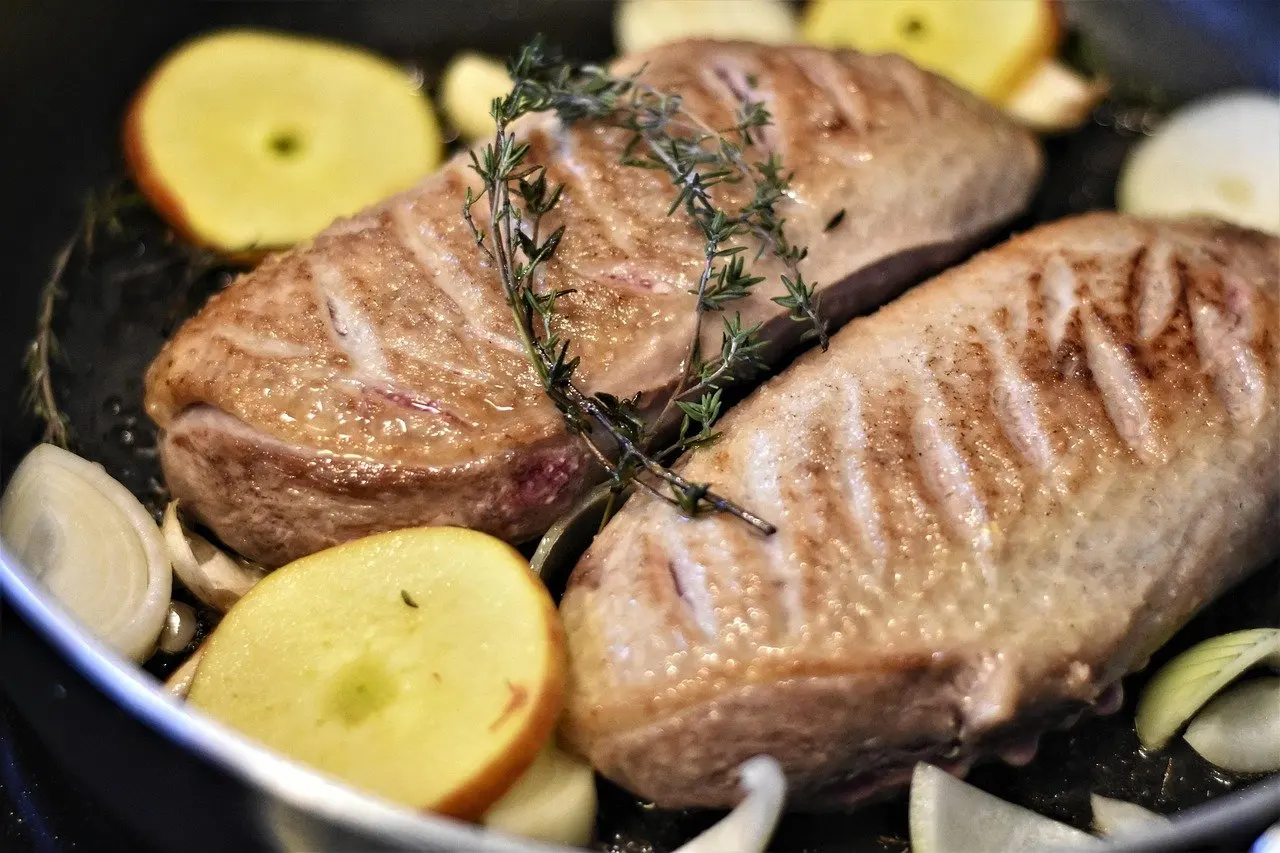
Duck is a different proposition. Wine Folly describes its flavor as more assertive, with an oily and gamey note, and recommends medium-bodied reds for dark meat, naming Pinot Noir and Zinfandel for duck. The lighter whites that suit chicken would be overwhelmed here.
Pinot Noir is the more flexible of the two for a classic roast or pan-seared breast, especially when the plate includes fruit. Zinfandel suits sweeter, more heavily glazed preparations. Because duck is richer than chicken or turkey, a wine with some body and fruit is more useful than one that is merely crisp.
Fried chicken and sparkling wine
Fried chicken moves the question from flavor to texture. Wine Folly suggests rosé Champagne, other sparkling wine or Lambrusco with it, because bubbles and freshness cut through a crisp, oily coating.
The merchant guide makes a related point about chicken kyiv, which it calls greasy: it needs a wine with noticeable acidity, so it recommends choosing wines from cooler climates. Together, the two sources point the same way. When the coating is rich, pick sparkling wine or a high-acid, cooler-climate white over a soft, buttery one.
This is the easiest match to get right for casual meals. A bottle of sparkling wine also stretches across the whole table, which is useful when side dishes vary.

Sauce and cooking method
Does the sauce matter more than the chicken? For most dishes, yes. Wine Folly points out that the sauce greatly affects the flavor of the meat, and chicken is mild enough that the sauce usually becomes the thing the wine has to match. Treat the bird as a canvas and read the recipe for what sits on top.
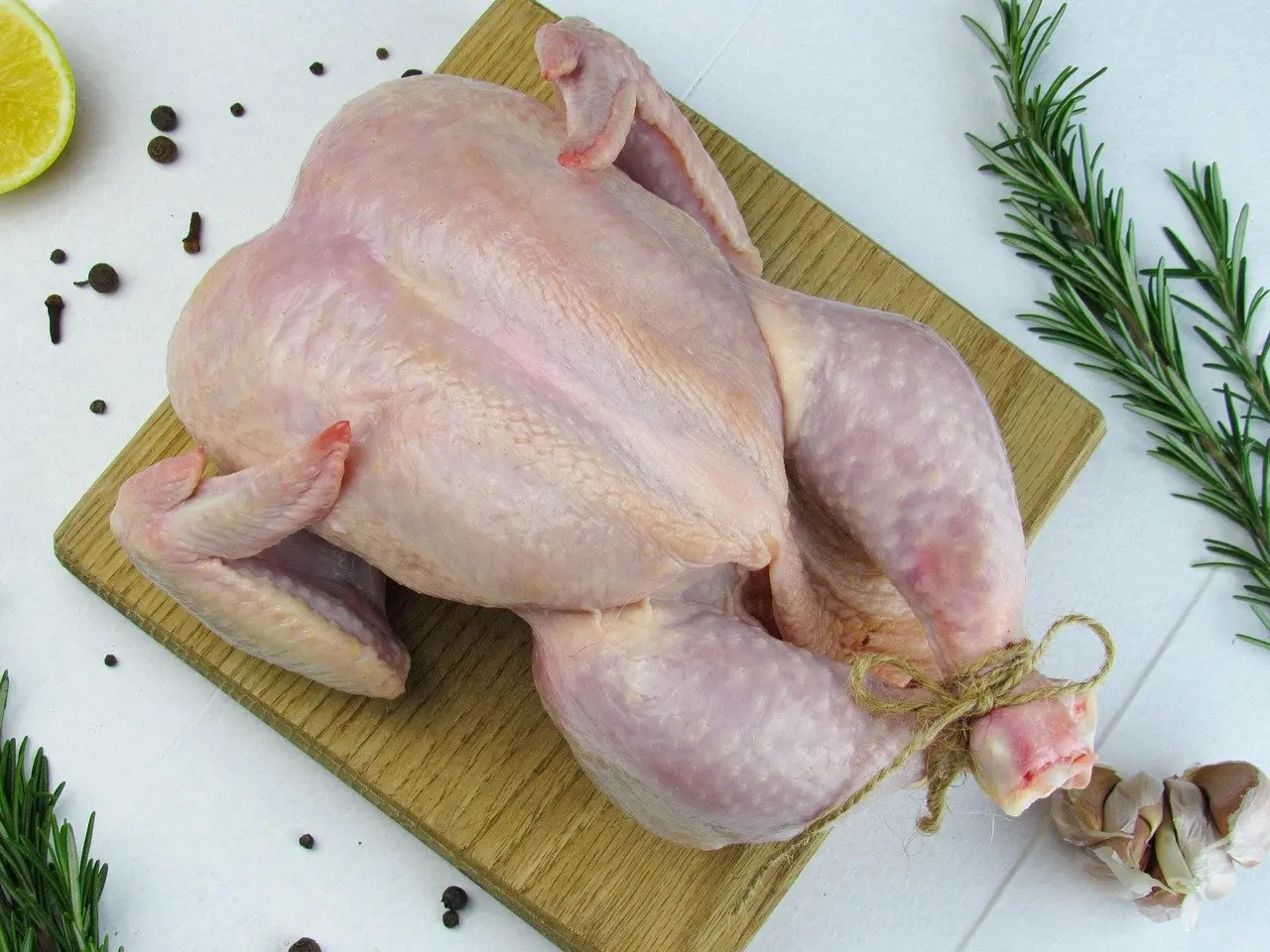
The merchant guide gives several clear examples. Where tomatoes feature heavily in the sauce, high-acid wines are needed. A creamy chicken pie can handle richer wines such as warm-climate Chardonnays, for instance from Australia or North America. Coq au vin is traditionally paired with red Burgundy, though chunkier Beaujolais and New World Pinot Noirs also work. Poached chicken is gentler still: Wine Folly says a very light white such as dry Chenin Blanc or Colombard is enough.
| Preparation | Wine style to try | Planning use |
|---|---|---|
| Poached chicken | Very light dry white, such as Chenin Blanc or Colombard | Keep the wine delicate so the gentle dish is not overpowered. |
| Tomato-heavy sauce | High-acid wine | Match the acidity of the sauce rather than reaching for a soft white. |
| Creamy chicken pie | Richer warm-climate Chardonnay, such as from Australia or North America | The richness of the dish can carry a fuller, riper wine. |
| Coq au vin | Red Burgundy, or Beaujolais and New World Pinot Noir | Choose a red because the dish is built on red wine; pick a lighter or chunkier style to taste. |
These pairings come from a merchant’s chicken guide and Wine Folly.
Red wine with chicken and poultry
Can you drink red wine with chicken? Yes. Wine Folly states that chicken can pair well with both red and white wines, and the choice usually comes down to how rich the dish is. A roast with gravy, stuffing and all the trimmings is a good moment for red. The merchant guide suggests a mature red Bordeaux as an alternative to the usual white for roast chicken with all the trimmings.
Lighter reds are the safer route. Pinot Noir, Beaujolais and Grenache sit alongside poultry without the tannin that would clash with delicate meat. Reserve fuller reds for duck and darker, richer cuts, where Wine Folly recommends medium-bodied styles for dark meat.
Quick decision checklist
- Name the bird. Chicken and turkey breast lean towards whites or light reds; duck calls for a medium-bodied red.
- Read the sauce. Tomato means high acidity, cream allows a richer Chardonnay, and a red wine sauce points to red.
- Check the coating. Fried or greasy dishes suit sparkling wine or a high-acid, cooler-climate white.
- Consider the table. When tastes differ, a Chardonnay and a Pinot Noir cover almost every poultry dish.
If the meal continues with something sweet, the guide to the best wine with dessert picks up where this one stops, and for fish courses there is a separate guide to the best wine with seafood.
Frequently asked questions
Is Zinfandel a good choice for turkey?
Yes, especially for an American-style holiday dinner. Wine Folly says Zinfandel has long been considered the best Thanksgiving wine with turkey, and it works well alongside cranberry sauce.
Why does duck need a different wine from chicken?
Duck has a more assertive, oily and gamey flavor, while chicken is lightly flavored and medium-textured. That difference moves the match from light whites towards medium-bodied reds such as Pinot Noir.
Which wine suits poached chicken?
A very light dry white such as Chenin Blanc or Colombard. The dish is gentle, so a delicate wine avoids overpowering it.
Which sparkling styles go with fried chicken?
Wine Folly names rosé Champagne, other sparkling wine and Lambrusco. Their bubbles and freshness work against the crisp, oily coating.