
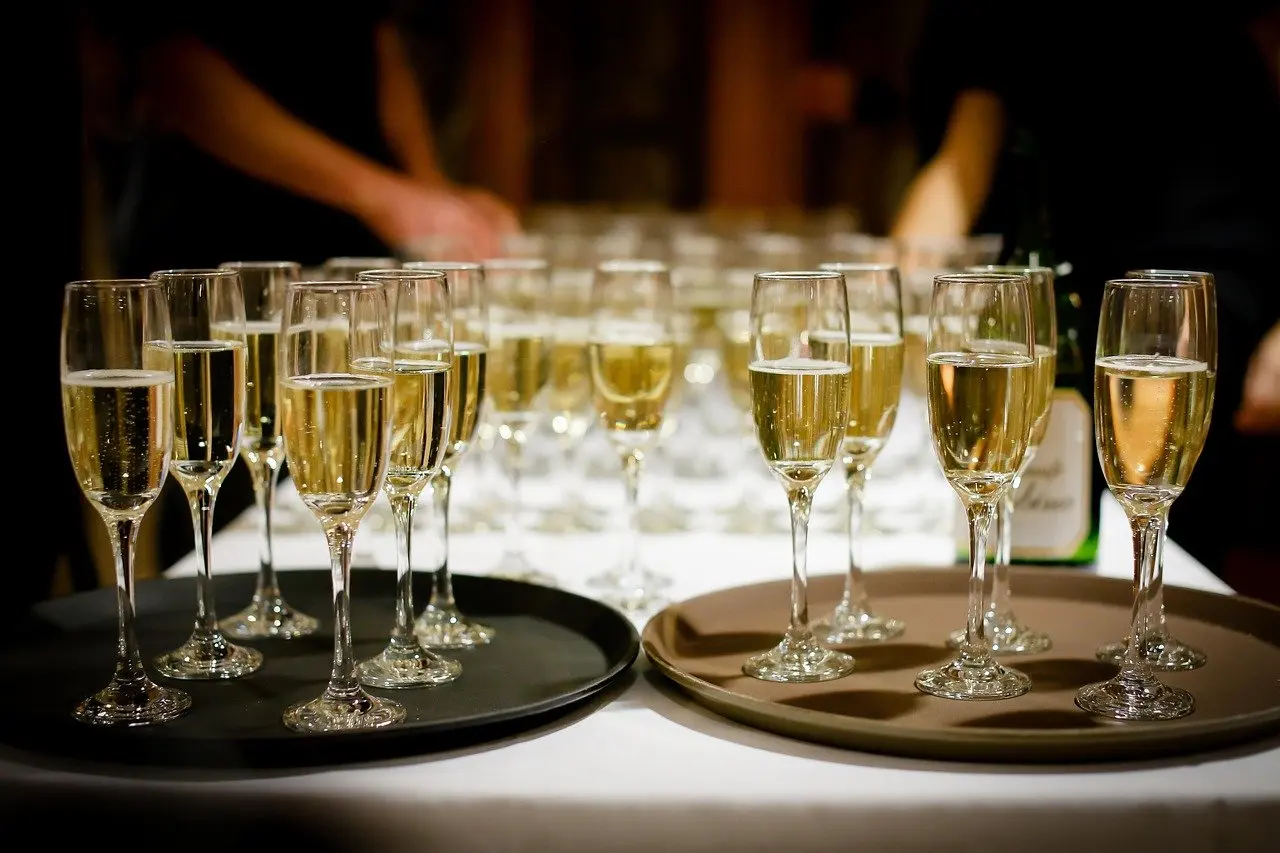
What to eat with Champagne depends on the style. A crisp Brut suits fish, crudités, goat cheese and rich roasts, while aged vintage and rosé bottles can carry fuller dishes. Balance by continuity or contrast guides every match.
This list works within the wider rules covered in how to pair wine with food. It focuses on fried and salty foods and brunch, the situations where sparkling wine is most useful.
How these pairings were chosen
The pairings below follow one principle from the Champagne house Lallier: find the balance between food and Champagne, either by continuity or by contrast of flavours. Continuity means the dish echoes something in the wine, such as its nutty depth. Contrast means the wine offsets the dish, as crisp acidity does with richness.
The items are not ranked. Each suits a different occasion, so they are grouped by situation rather than ordered by merit. Three questions decide the choice:
- How rich is the dish? Rich or fatty food calls for contrast from a crisp, high-acidity bottle.
- How delicate is the dish? Light food needs a light, fresh style so the wine does not overpower it.
- How much sweetness is in the glass? Dosage, the sweetness added at the end of production, changes how much contrast the wine offers.
Brut and sweeter styles
Brut is the default choice for food because its lively acidity gives contrast. Lallier describes Brut’s vibrant acidity and delicate fruit notes as creating a harmonious balance with lighter flavours. That is why it pairs easily with fish, crudités, delicate white meats, goat cheese and young Comté.
Dosage shapes this behaviour. Lallier says its lighter dosage approach gives a balanced sweetness, which keeps the wine fresh enough to work as a contrast with savoury dishes. A bottle with a lighter dosage is the safer option for salty and fried food, where the wine’s job is to refresh the palate.
A sweeter style changes the task. It offers less crisp contrast, so the dish should be chosen to echo or deliberately oppose that sweetness rather than simply cut through richness. When a menu is mostly savoury, Brut avoids that extra decision.
Fried and rich foods
Fried chicken and other fried food
Fried chicken is the high-low match most associated with Champagne, and it works through contrast. The coating and fat coat the palate, and a crisp Brut refreshes it between bites. Michel Foch’s guide makes the same point about a different rich dish, saying a Brut’s crispness cuts through roast turkey and herb stuffing. Fried chicken follows the same logic.
This match suits casual gatherings and anyone who wants sparkling wine without formal food. It is less suited to heavily sweet glazes or sauces, which push against a dry wine.
Roast duck and roast turkey
Roast birds with a fruit glaze or stuffing suit a Brut with more depth. The same Michel Foch guide suggests its Brut 2013 for roast duck with cherry or orange glaze, saying the cuvée’s depth supports the dish. Vintage Champagne is the natural choice here, since Lallier notes aging gives it nuttiness, maturity and refined intensity.
This pairing suits a celebration meal. It is overkill for a casual snack, where a younger, fresher bottle makes more sense.
Salty and delicate foods
Smoked salmon canapés
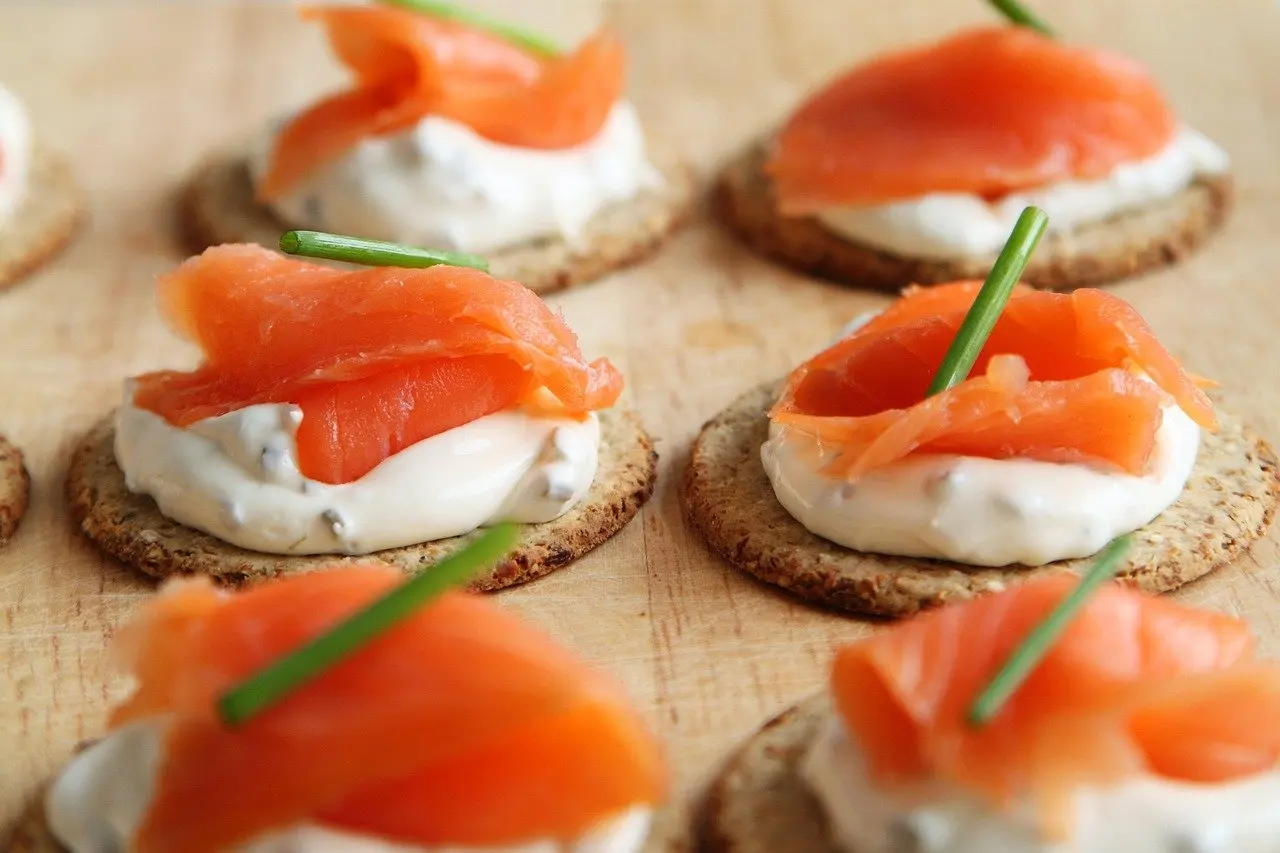
Salt and richness are where sparkling wine shines. Smoked salmon on a cracker or blini delivers both, and the wine’s acidity and bubbles clean the palate. This is the simplest option for a party, since canapés need no cutlery and pair with a single bottle.
Fish, crudités and goat cheese
Lallier lists fish, crudités, delicate white meats, goat cheese and young Comté as easy matches for Brut. These are lighter foods, so the wine’s delicate fruit supports them without overwhelming them. This is the best starting point for anyone unsure what to serve. For more cheese options, see this guide to wine and cheese pairing.
Scallops with Blanc de Blancs
Blanc de Blancs is crafted from 100% Chardonnay, and Michel Foch recommends it with seared scallops in lemon butter. It suits shellfish and a dinner starter. It is a narrower choice than Brut, so it makes sense when the menu centres on delicate seafood.
Brunch
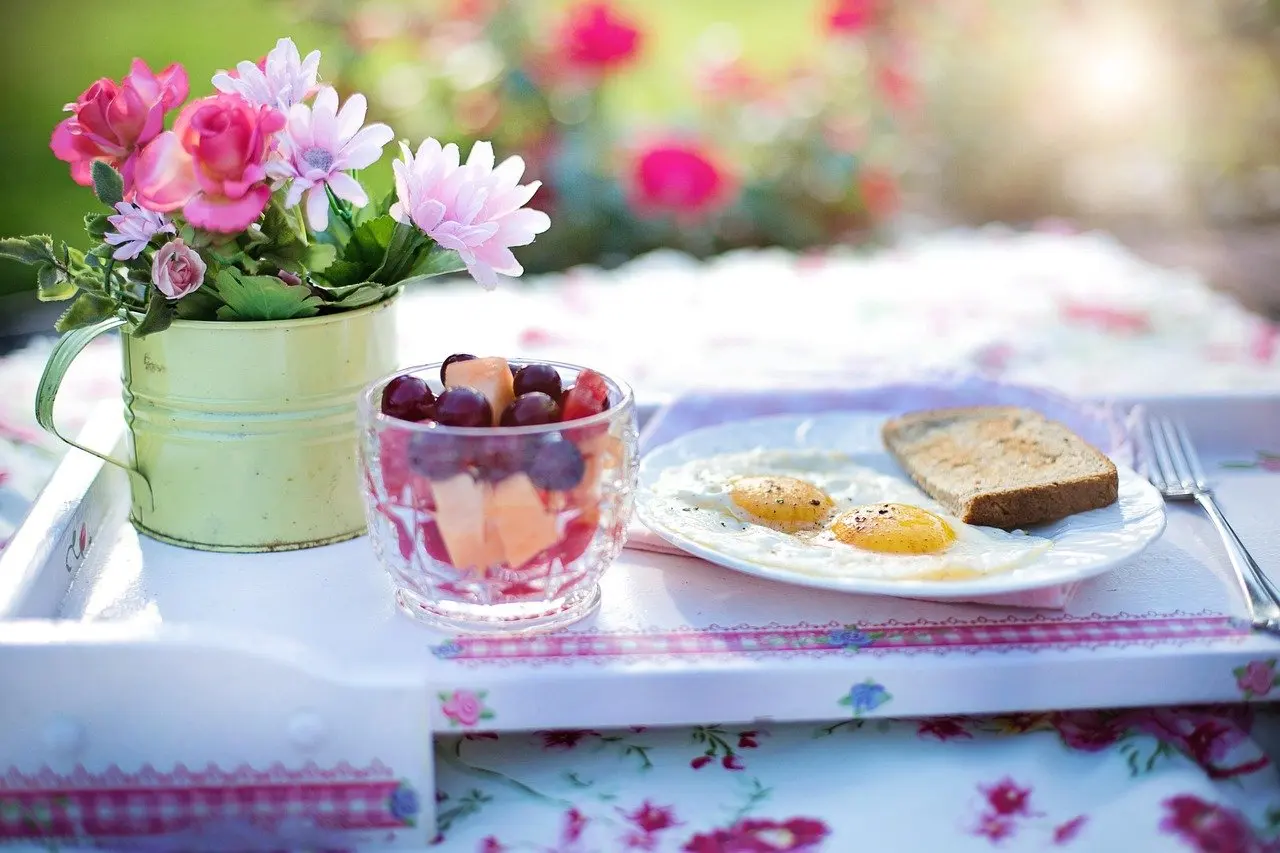
Brunch is where a rosé Champagne earns its place. Michel Foch suggests a rosé with smoked salmon for a luxurious start to the day. For a brunch wine pairing, a Brut also works well with egg dishes and pastries, because its acidity keeps rich, buttery food from feeling heavy.
Rosé Champagne can be made by blending white wine with between 5% and 20% of red wine. For readers building a wider menu around pink wines, this guide to rosé wine food pairing goes further.
Carbonation and acidity with fat
Sparkling wine handles fat because acidity and bubbles both refresh the palate. The Michel Foch Brut is described as having elegant bubbles, bright acidity and balanced structure, a combination that explains why it copes with roast poultry and stuffing.
The practical rule is to match richness with acidity. The richer or more fried the dish, the more a dry, crisp bottle helps.
Pairing comparison
| Dish | Suitable style | Why it works | Planning use |
|---|---|---|---|
| Fried chicken | Brut | Crisp acidity contrasts with richness | Casual gatherings |
| Roast turkey and stuffing | Brut | Crispness cuts through the dish | Holiday meals |
| Roast duck with fruit glaze | Vintage-style Brut | Depth supports the dish | Celebration dinners |
| Fish, crudités, goat cheese | Brut | Acidity and delicate fruit balance lighter flavours | Easy starters |
| Seared scallops | Blanc de Blancs | 100% Chardonnay style suits delicate shellfish | Seafood courses |
| Smoked salmon breakfast | Rosé Champagne | Fresh fruit with a rich, salty fish | Brunch |
These pairings draw on guidance from Lallier and Michel Foch.
Beyond Champagne: Cava and Prosecco
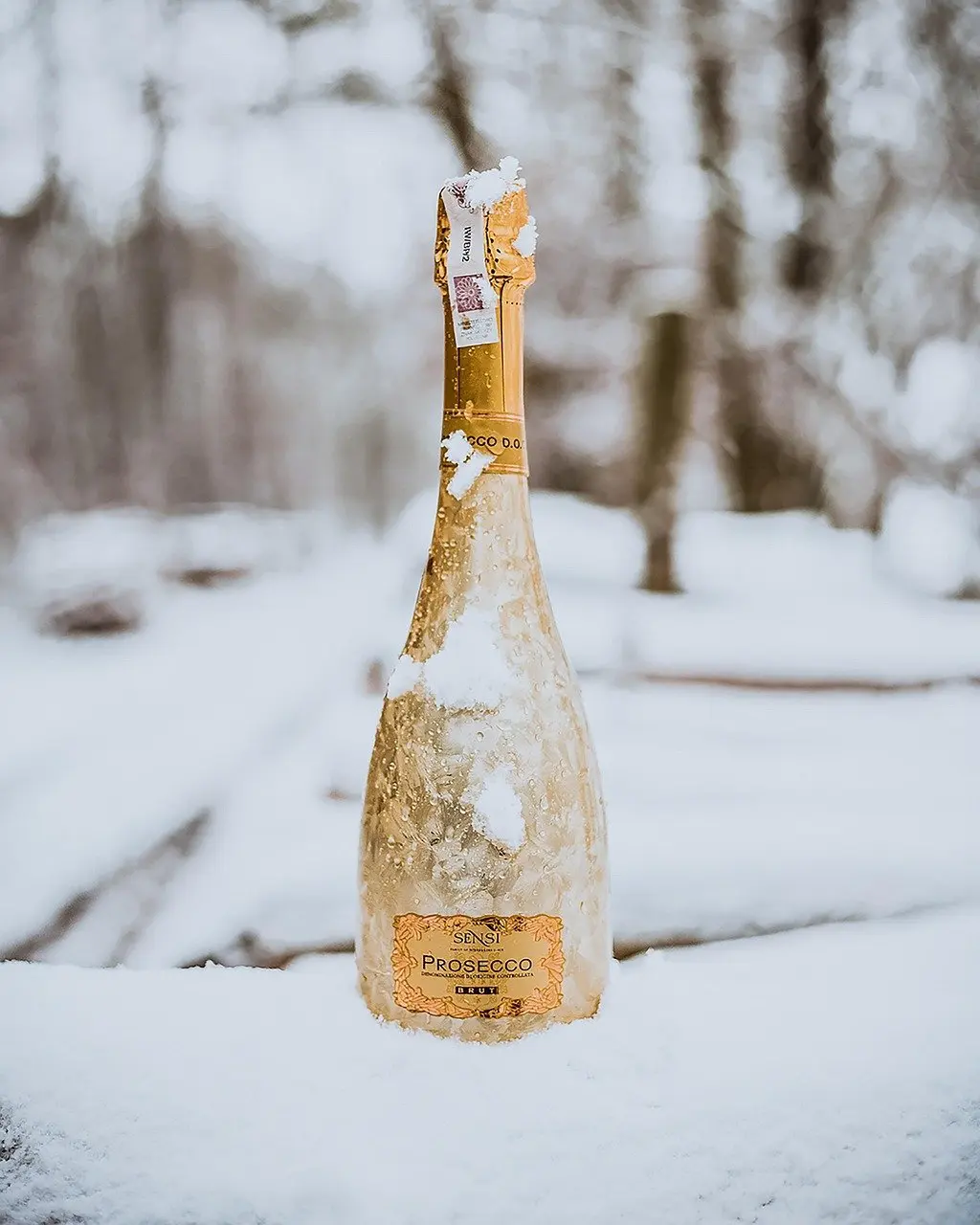
Cava and Prosecco are other sparkling wines that can fill the same role at the table. The same checks apply to them as to Champagne: look for crisp acidity for rich or fried food, and check the sweetness level on the label before serving something salty. A dry bottle suits fried chicken and canapés. A sweeter bottle needs a dish chosen to match or oppose that sweetness.
Frequently asked questions
Does Champagne go with fried chicken?
Yes. A dry, crisp Brut contrasts with the richness of fried food and refreshes the palate between bites.
Which sparkling wine suits brunch?
A Brut suits eggs and pastries, and a rosé Champagne is suggested for smoked salmon at breakfast.
Does sweetness change the pairing?
Yes. A lighter dosage keeps the wine crisp and savoury-friendly, while a sweeter style needs food chosen to echo or oppose that sweetness.
How is rosé Champagne made?
One method blends white wine with a small share of red wine, between 5% and 20%.