
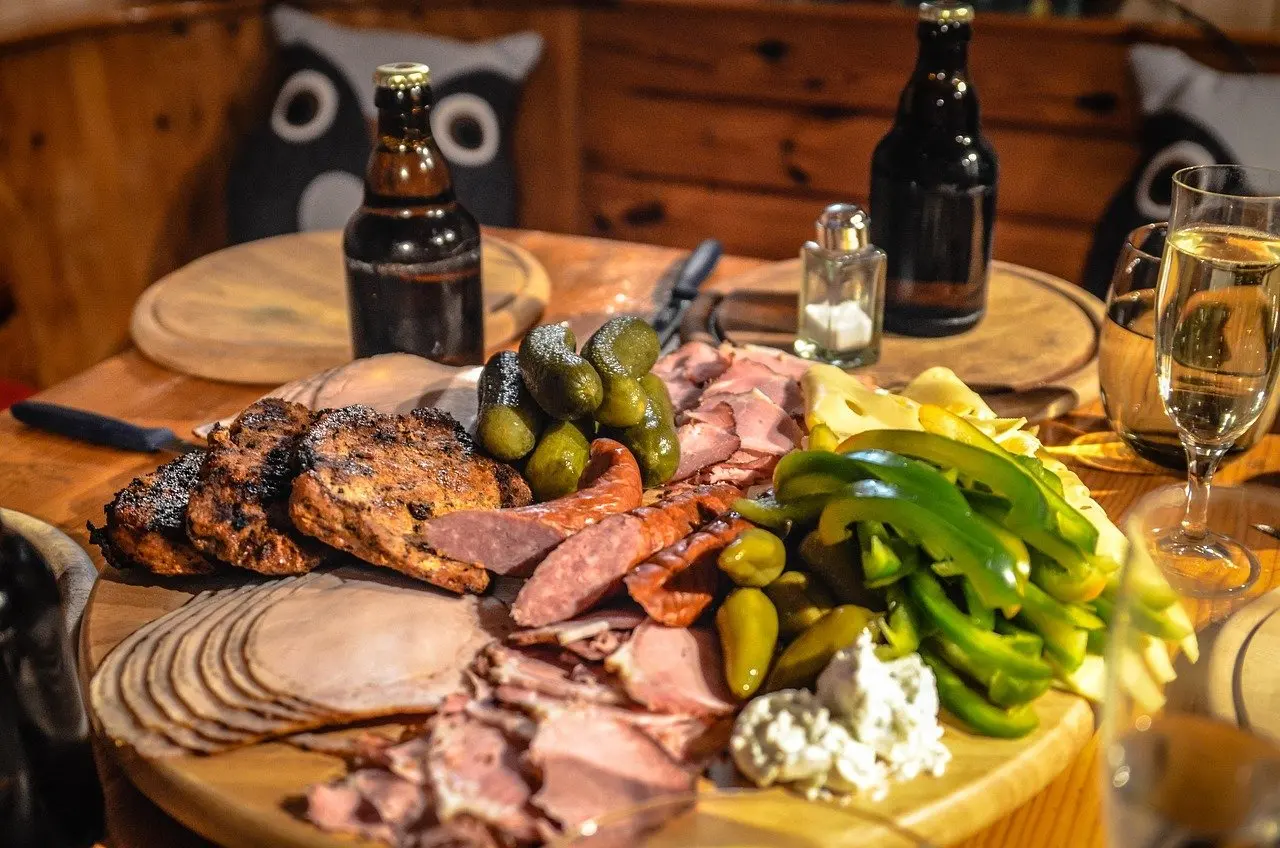
Unsure which bottle suits dinner? Here is how to pair wine with food: build the match around the dominant element of the dish, then decide whether the wine should echo it or contrast with it.
- Start with the dish. Identify what dominates the plate, whether that is a sauce, a cooking method or the main ingredient, and choose the wine for that element.
- Rich, fatty, salty or spicy food: lean towards contrast, as the Master Sommeliers’ pairing guide advises.
- Dessert: the wine needs to be at least as sweet as the food it accompanies.
Readers who want a lookup by dish can jump to the wine and food pairing chart. This guide explains the reasoning behind the matches, so the same logic still works for dishes no chart lists.
Choose your route through the guide
Pairing questions arrive from different directions. Sometimes the menu is fixed and the wine is open. Sometimes a bottle is already in the rack and the menu is flexible. Each situation has its own route below.
- The dish is decided, the wine is not. Read the core principles, then go to the section on pairing by dish type. The comparison table afterwards condenses the most useful matches for a quick check at the shop shelf.
- The bottle is decided, the dish is not. Go straight to the section on starting from the bottle. It describes what each grape style does at the table and which dishes it flatters.
- The occasion is the starting point. Brunches, celebrations and holiday dinners are covered in the final section before the frequently asked questions.
Core principles of food and wine pairing
Food and wine pairing rests on a short list of principles that sommelier training bodies and trade writers repeat consistently. This is the short version of those principles; the longer answer to why does wine pair with food at all sits in its own guide.
Start with the dominant element
Restaurant-industry writing in FSR Magazine puts the rule plainly: always pair wine with the dominant element in a dish. In practice this means the wine follows whatever the palate notices most. A roasted bird served with a sharp, fruity sauce is partly a sauce dish. A plain grilled fillet with a squeeze of lemon is a fish dish. A loaded pizza is a pizza dish, whatever the cheese on top.
The advice is useful because it ends the search for a single perfect bottle. Most plates have a loud element and a quiet one. Choosing for the loud one gives a workable match, and the quiet elements rarely spoil it.
Echo or contrast
The Master Sommeliers’ guide states that rich, fatty, salty or spicy dishes usually call for contrast. A wine that cuts through the richness refreshes the palate, while a wine that matches the richness can make the whole meal feel heavy. Delicate, lightly seasoned dishes work the other way round: an assertive wine will flatten them, so the wine should stay quiet too.
Acidity is the most reliable tool for contrast. FSR Magazine notes that wines with high acidity and wines with some sweetness are the most versatile at the table, and that Pinot Noir, most Italian wines and many whites such as Riesling and Sauvignon Blanc have good acid levels. The guide on high acid wine food pairing develops this idea further.
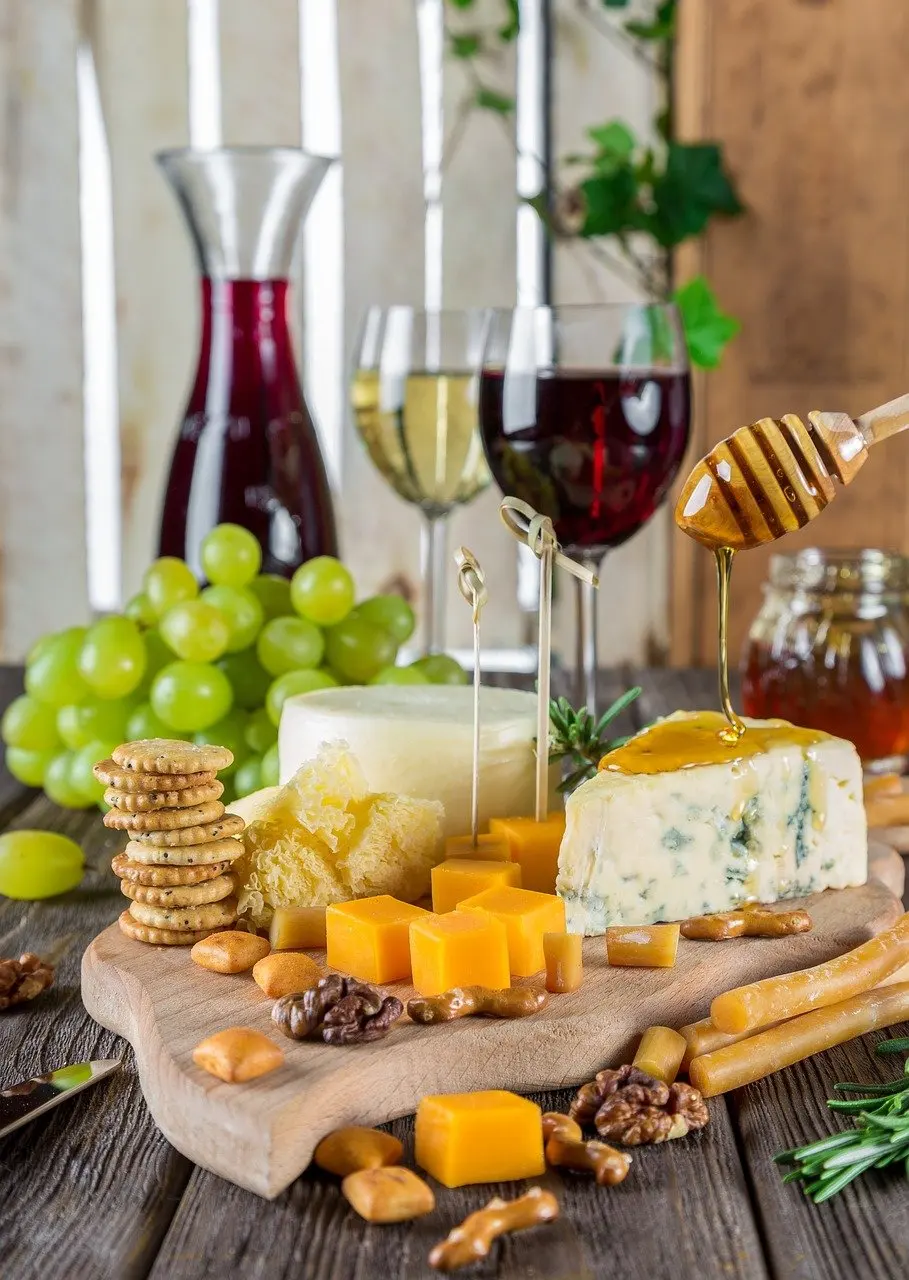
What salt, fat, sweetness and heat do to a wine
Four properties of food change how a wine tastes. Knowing which one dominates a dish tells you which way to lean.
- Salt. According to the Master Sommeliers, acidity in wine softens when salt is present in food. A crisp wine that would taste sharp on its own therefore behaves more gently beside salty dishes, which is one reason high-acid whites and sparkling wines handle salty snacks well.
- Fat. The same guide explains that fat coats the palate and softens the sensation of tannin. A firm red that feels grippy by itself becomes easier to drink next to a rich dish. The guide on tannin and food pairing covers the range of cases.
- Sweetness. A sweet dish makes a drier wine taste thinner and sourer. The Master Sommeliers’ rule is that the wine needs to be at least as sweet as what it is paired with.
- Heat. A pairing guide from Sommate points out that capsaicin heat is amplified by alcohol and tannin. Spicy dishes therefore punish heavy, tannic reds.
Weight and body
Weight is the question of whether a wine feels as full as the plate. The Master Sommeliers describe oak-aged Chardonnay as fuller in body and richer in texture, and place it next to lobster and roasted poultry. The principle is that a rich, full dish needs a wine with comparable substance, and a light dish needs a lighter one. The guide on how to match wine body to food weight goes further into this.
Pairing by dish type
Choosing from the dish outwards is the quickest route for an everyday dinner. Each dish type below points to a wine style rather than a label, so the same advice works for whichever bottle in that style is on the shelf. Treat the matches as strong starting points, not rules without exceptions.
Fish and seafood
What wine goes with fish? White wine is the default answer, with exceptions. FSR Magazine says white wines tend to be better with seafood than reds, but there are exceptions. That makes a crisp or fuller white the safe choice, and a light red a considered alternative.
- Shellfish and oysters. A sommelier-style pairing guide notes that the effervescence and acidity of Champagne cut through the briny and delicate flavours of fresh oysters.
- Salmon. The same guide says the delicate fruitiness and soft tannins of Pinot Noir enhance grilled or baked salmon. This is the clearest case of a red that suits fish.
- Swordfish. FSR Magazine says a light Pinot Noir or Merlot is fine with swordfish.
- Lobster. The Master Sommeliers place fuller, oak-aged Chardonnay next to lobster.
The decision rule is simple. Choose a white or sparkling wine for delicate or briny seafood, and consider a light, low-tannin red when the fish is richer and cooked over direct heat. The dedicated page on the best wine with seafood goes dish by dish.
Chicken and roast poultry
Roasted poultry sits comfortably with fuller whites. The Master Sommeliers name oak-aged Chardonnay for roasted poultry because its richer texture matches the dish. Poultry is a mild meat, so the sauce, the stuffing or the roasting juices will often be the dominant element, and the wine should follow them. The guide to what wine goes with chicken works through the common preparations.
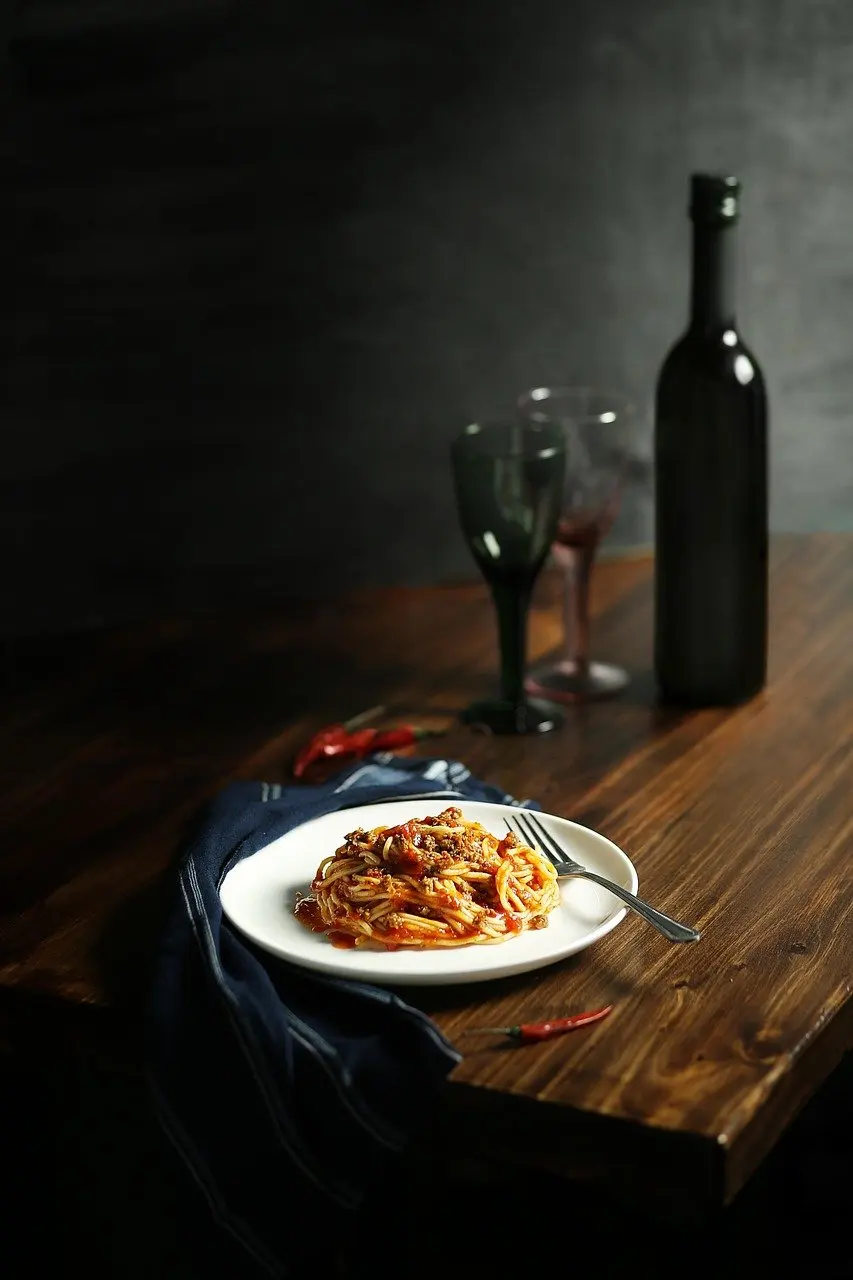
Pizza and tomato pasta
Pizza is a case where the toppings, not the base, set the pairing. The pairing guide cited earlier says the jammy and spicy notes of Zinfandel harmonise with the variety of toppings on a pizza. That makes Zinfandel a sensible default when the pizza is loaded, and the guide on what wine goes with pizza compares other options.
For pasta in tomato sauce, FSR Magazine’s observation that most Italian wines have good acid levels is the practical clue. Acidity makes a wine versatile, so an Italian bottle with a lively acid backbone is a natural companion for an Italian-style plate.
Cheese
What wine pairs with cheese depends on the cheese, and fresh, tangy styles have the clearest matches. The sommelier-style guide says the crisp acidity of Sauvignon Blanc pairs beautifully with the tangy and creamy flavours of goat cheese. The Master Sommeliers add that a herbal, mineral Sancerre-style Sauvignon Blanc pairs naturally with herb-forward dishes, fresh vegetables and regional cheeses such as Crottin de Chavignol.
Where a cheese is rich in fat, the fat softens tannin, so a firmer red becomes more approachable beside it. The guide to wine and cheese pairing covers harder, softer and blue styles in more detail.
Mixed boards and picnic spreads
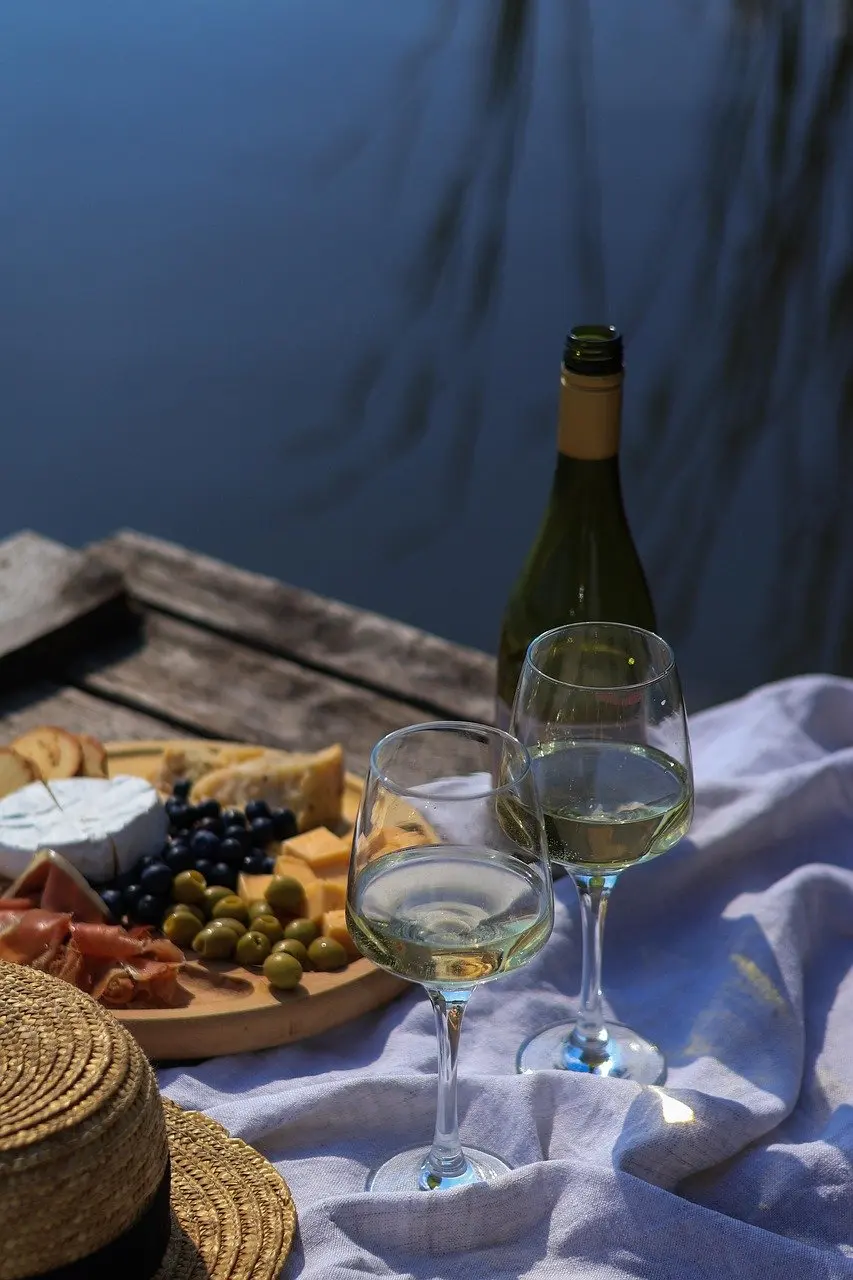
A board that mixes olives, bread, cured meat and cheese brings salt and fat onto the same plate. By the Master Sommeliers’ reasoning, salt softens a wine’s acidity and fat softens tannin, so a lively white or a soft red will both cope. The practical advice is to pick a wine with good acidity and avoid anything heavily tannic, then let guests mix freely.
Tapas and Mediterranean plates
Tapas are small plates with a wide spread of flavours, so the wine has to be flexible. The sommelier-style guide says Tempranillo pairs well with the diverse flavours of Spanish tapas. The same guide recommends dry, refreshing rosé for the light, flavourful dishes of Mediterranean cuisine. Guests who prefer a pink wine can consult the page on rosé wine food pairing. Where the tapas lean towards fried or salty items, Cava is the sparkling option the Master Sommeliers name for that territory.
Sweet and spicy dishes
Sweet and spicy dishes are the two situations where a casual match is most likely to go wrong. Sweetness demands a wine at least as sweet as the plate, and the page on the best wine with dessert sets out which styles qualify. Heat calls for a wine that does not add to the burn, and the page on the best wine with spicy food works through the options.
Dish-to-wine comparison
The table collects the matches above in one place so that a shopper can compare styles against the dish on the menu.
| Dish | Wine style | Why it works | Planning use |
|---|---|---|---|
| Fresh oysters | Champagne | Effervescence and acidity cut through briny, delicate flavours | Choose a sparkling wine for raw shellfish |
| Grilled or baked salmon | Pinot Noir | Delicate fruitiness and soft tannins | The red to reach for when a table wants red with fish |
| Lobster and roasted poultry | Oak-aged Chardonnay | Fuller body and richer texture | Pick it when the dish is rich and buttery |
| Goat cheese | Sauvignon Blanc | Crisp acidity against tangy, creamy flavours | Suits fresh cheese plates |
| Crottin de Chavignol and herb-forward dishes | Sancerre-style Sauvignon Blanc | Herbal, mineral character | Suits fresh vegetables and herb-led plates |
| Pizza with varied toppings | Zinfandel | Jammy, spicy notes harmonise with toppings | Choose it for loaded pizzas |
| Spanish tapas | Tempranillo | Pairs with the diverse flavours of the plates | A flexible red for a spread of small dishes |
| Mediterranean dishes | Dry rosé | Dry, refreshing character suits light, flavourful food | Choose it for warm-weather, light meals |
| Fried foods and salty snacks | Champagne or Cava | Carbonation and acidity cut fat and salt | The sparkling default for fried or salty nibbles |
Matches in this table come from the Master Sommeliers’ pairing guide and a sommelier-style pairing guide.
Starting from the bottle
If a bottle is already open or in the rack, the grape style narrows the menu. These descriptions focus on the traits that decide the pairing.
Pinot Noir
Pinot Noir has the widest range of any red covered here. The Master Sommeliers say its low tannin and bright acidity give it more range at the table than most reds. That makes it the red for fish such as salmon and swordfish, and the safest red when a table orders both meat and seafood. FSR Magazine also counts it among the wines with good acid levels.
Cabernet Sauvignon and other tannic reds
Cabernet Sauvignon carries the highest tannin load of the group compared by the Master Sommeliers. Tannin, in the words of FSR Magazine, is a phenol that creates the drying sensation in red wines, so a tannic red wants food that softens it. Fatty dishes do this, since fat coats the palate and softens tannin. Heat works against it, because tannin makes spicy dishes taste spicier. The practical rule is to serve a tannic red with rich, fatty food and to keep it away from chilli.
Does red wine have to go with red meat?
No. Red wine does not have to go with red meat, and the principles above explain why. The reasoning is about tannin, acidity and weight, not colour. A tannic red is easier next to a fatty cut because fat softens the tannin. A low-tannin red such as Pinot Noir works with fish, and a fuller white such as oak-aged Chardonnay suits dishes as rich as lobster and roasted poultry. The guide on red wine vs white wine with food compares the two colours on a dish-by-dish basis.
Chardonnay and Sauvignon Blanc
These two whites are opposites. Oak-aged Chardonnay is the fuller, richer style for lobster and roasted poultry. Sauvignon Blanc is crisp and acidic, suiting goat cheese, herb-forward dishes and fresh vegetables. Choosing between them is mainly a question of how heavy the plate is.
Zinfandel, Tempranillo and rosé
Zinfandel’s jammy, spicy character fits pizza toppings. Tempranillo suits the variety of Spanish tapas. Dry rosé fits light Mediterranean cooking. All three are styles for informal, shared food rather than a single formal course.
Sparkling wine, brunch and holiday tables
Occasions with many dishes are where sparkling wine and a few simple rules do the most work.
Champagne and Cava with fried and salty food
The Master Sommeliers say Champagne and Cava work alongside fried foods, fatty seafood and salty snacks. Carbonation and acidity cut through fat and salt, so the sparkling wine acts like a palate cleanser between bites. Readers planning a celebratory menu can see more combinations in the guide to what to eat with champagne.
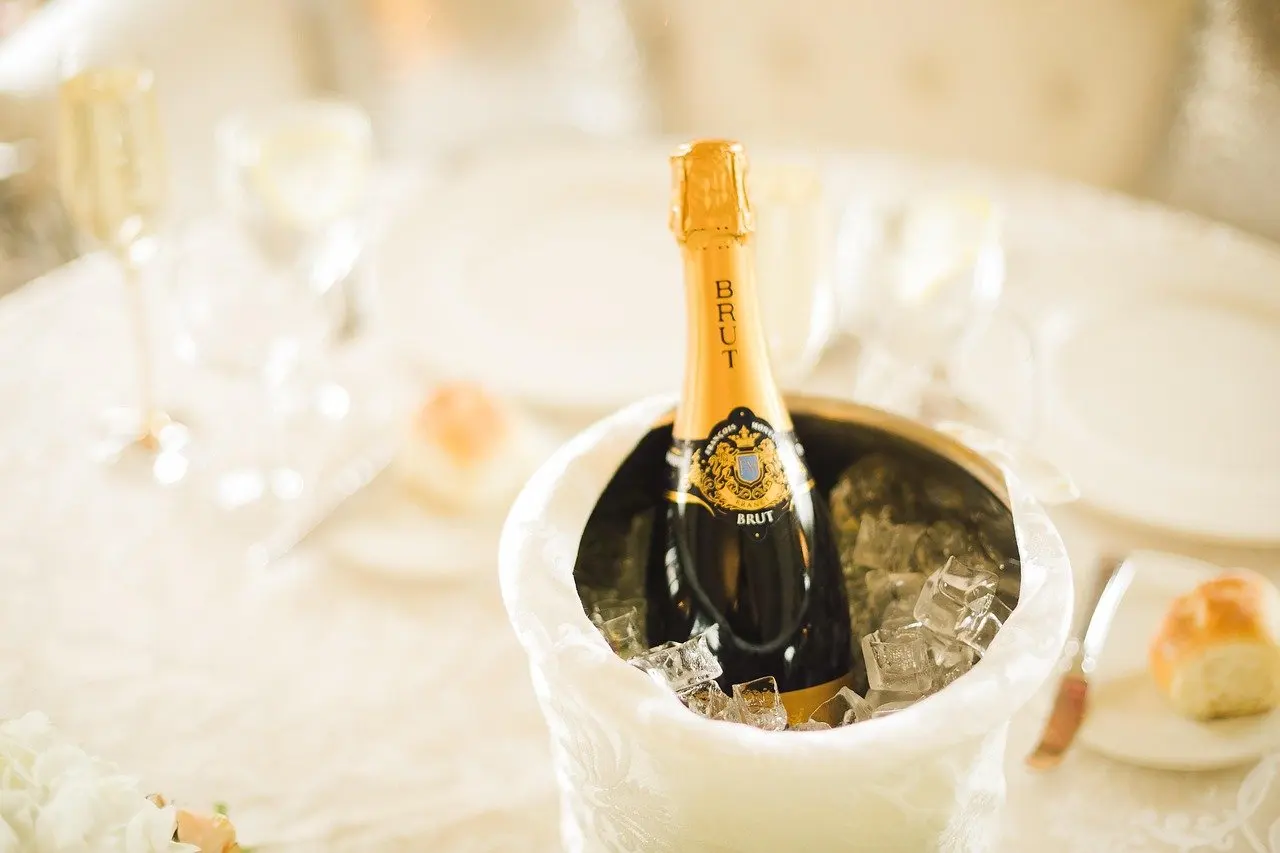
Casual and outdoor serving
Sommate observes that fried food in particular is famously good with bubbles, because carbonation mimics acidity and cuts through oil. That makes sparkling wine a good fit for informal, finger-food meals served outdoors, where nobody wants to fuss over a dish-by-dish match.
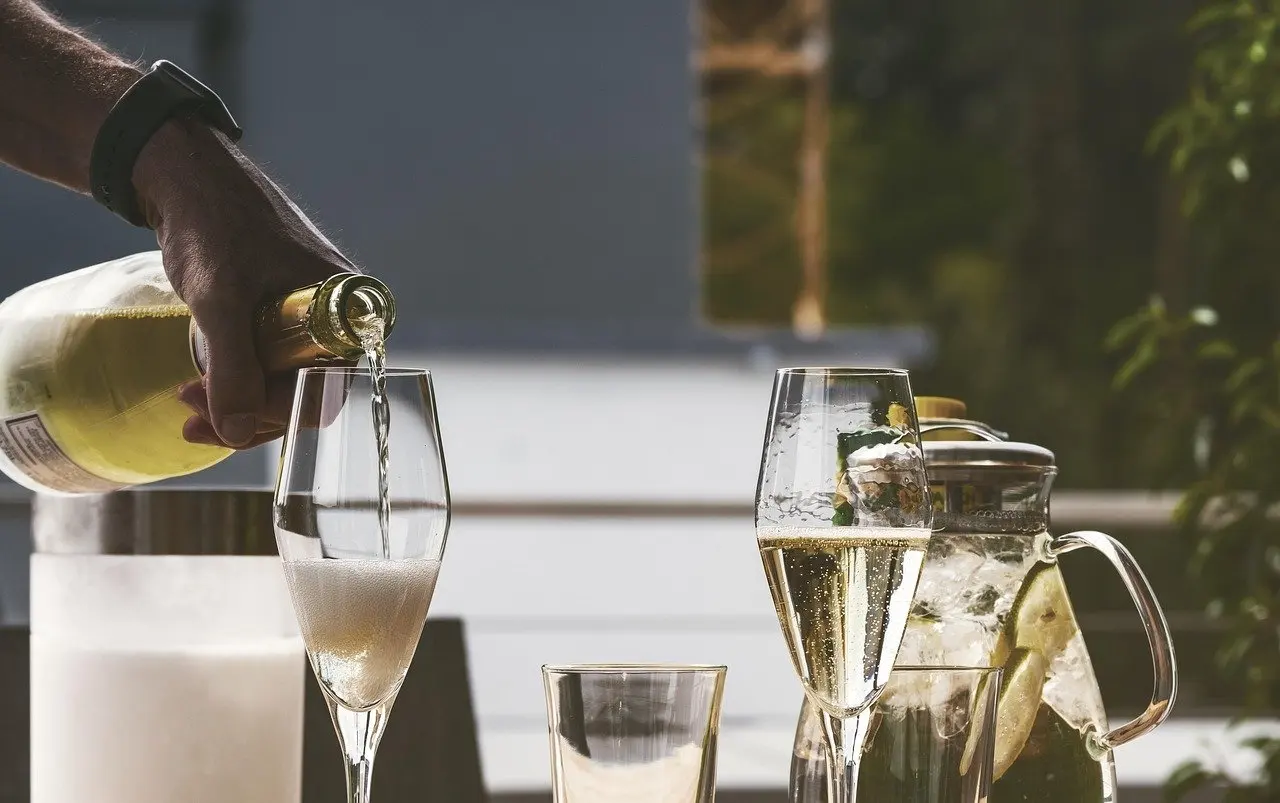
Brunch
Brunch tables often combine salty and fatty items with eggs, bread and fish toppings. This is the territory the Master Sommeliers assign to Champagne and Cava, and sparkling wine does not have to be matched plate by plate. A dry sparkling bottle can serve the whole table.
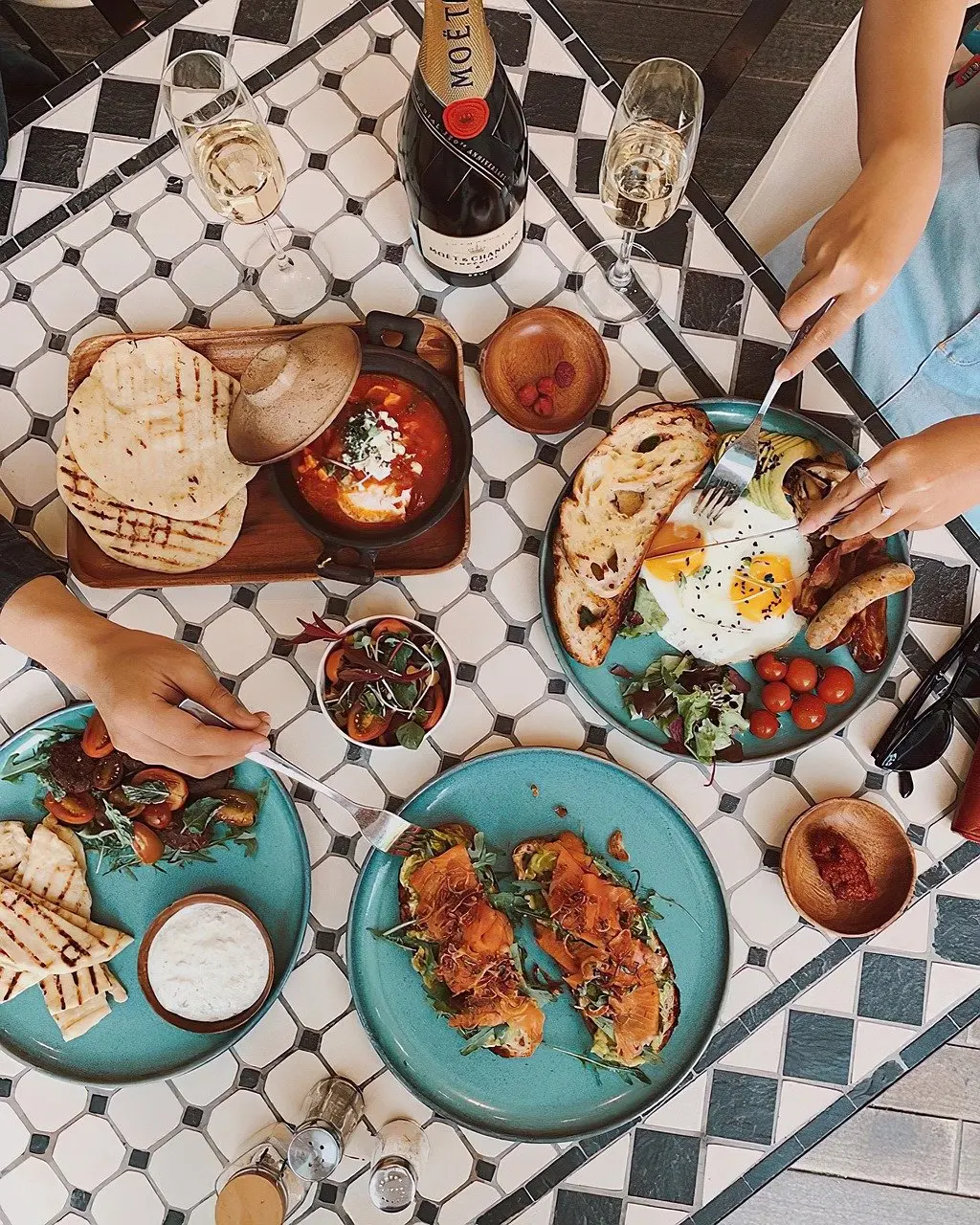
Holiday and Thanksgiving dinner
The Master Sommeliers make a pointed observation about Thanksgiving: the turkey is not the pairing anchor. Side dishes such as cranberry sauce set the pairing, so the wine should be chosen for the sweet, tart and savoury sides on the table. The dedicated page on what wine goes with thanksgiving dinner turns this into specific bottle choices.
Frequently asked questions
| Question | Answer |
|---|---|
| Which wines are the most versatile at the table? | FSR Magazine says wines with high acidity and wines with some sweetness are the most versatile for pairing with food. When the menu is uncertain, choose from those styles. |
| Is sparkling wine a safe choice when guests are eating different dishes? | Yes. Sommate calls sparkling wine the great diplomatic option at a table with multiple dishes or mixed preferences. |
| What is tannin and why does it matter for pairing? | Tannin is a phenol that creates the drying sensation in red wines. FSR Magazine adds that both tannins and alcohol make spicy foods taste more spicy and bitter foods taste more bitter, so tannic reds suit rich food better than bitter or spicy dishes. |