
Planning a warm-weather meal and unsure what to open? The best rosé wine food pairing matches the wine’s style, from pale and dry to fuller and fruity, to the weight of the dish.
The shortlist below applies the general principles in how to pair wine with food to one flexible style of wine. Pale, dry bottles suit seafood and salads. Fuller bottles can handle the grill. Sweeter, fruitier ones suit casual drinking.
Rosé styles at a glance
Rosé is not one flavour. The style you hold decides which dishes work, so choose the bottle before the menu, or the menu before the bottle, but match the two.
| Style | Typical character | Planning use |
|---|---|---|
| Pale, dry Provence style | Light, dry and pale pink, mainly Grenache, Cinsault and Syrah; direct pressing gives elegantly pale wines, often labelled vin gris | First choice for seafood, light salads and an aperitif |
| Fuller, saignée-style | Tends to have less acidity and delicacy than rosé made on its own | Better suited to grilled and barbecued food than to delicate dishes |
| Fruity blush and sweeter pink | Light-bodied with fruity flavours; White Zinfandel is a sweeter pink rosé | Keep the food simple and casual so the fruit does not overpower it |
The style descriptions come from Defy’s guide to rosé making and styles, and the planning column is editorial judgement built on them.
Pale, dry rosé with seafood and delicate starters
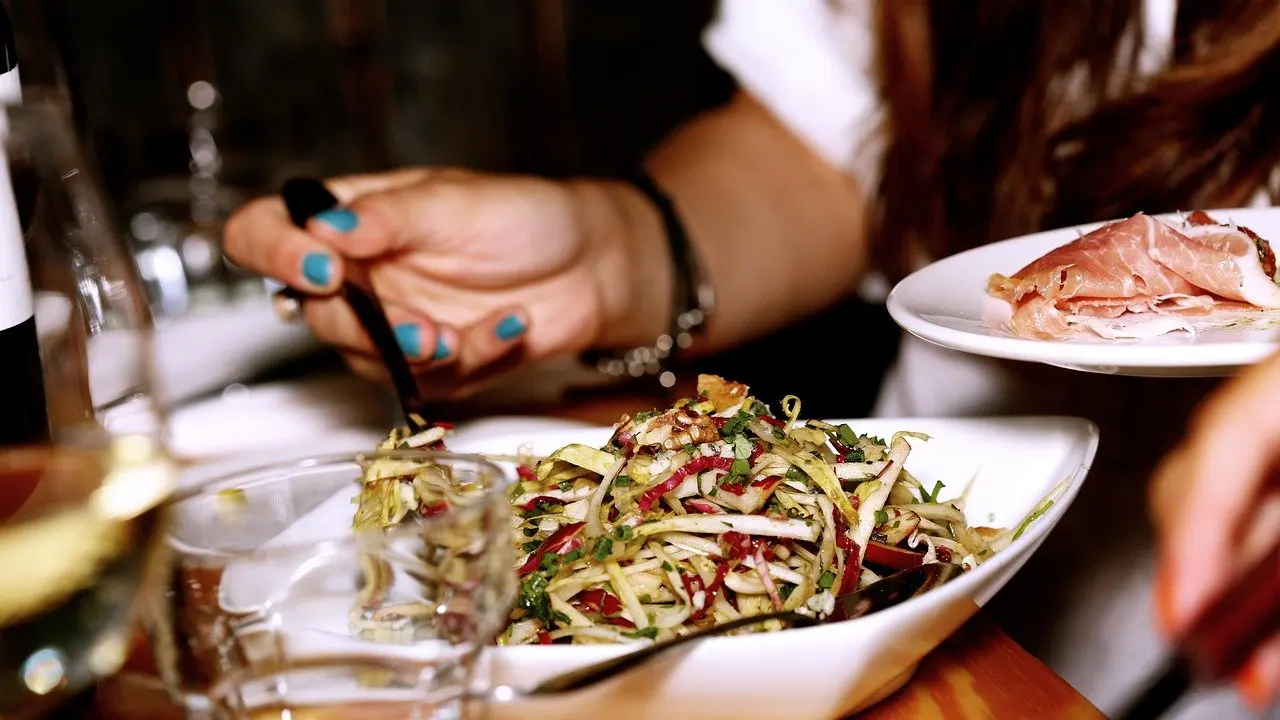
Pale, dry rosé is the safest all-round partner for seafood and light first courses. Its low weight lets the food stay in front. Defy’s guide lists seafood, salads, light pasta dishes and spicy foods among the ideal pairings for rosé in general.
The producer Chapoutier gives two specific examples in its guide to rosé food pairings:
- Scallop carpaccio with mango: Chapoutier recommends Roumery AOP Côtes de Provence from Château des Ferrages. This suits a sweet-and-delicate plate where a heavier wine would flatten the shellfish.
- Gravlax salmon with beetroot: Chapoutier pairs its Mon Plaisir Sainte Victoire rosé with this dish, citing aromas of red fruit, white flowers and grapefruit. It suits cured fish served cold, where a fresh, fruity wine works against the salt and earthiness.
Choose this style when the dish is raw, cured, poached or lightly dressed. Pick something fuller when the food is charred or heavily seasoned, which is the next section.
Rosé with barbecue
Yes, rosé goes with barbecue. Defy’s guide notes that rosé complements a wide range of dishes, from light salads to barbecued meats, which makes it a practical bottle when a grill menu mixes meat and vegetables.
The style matters more here than at a salad table. A very pale, delicate wine can be overwhelmed by smoke and char. A fuller rosé, such as a saignée-style wine, is the sturdier choice because, as Defy describes, saignée rosé tends to have less acidity and delicacy than rosé made on its own. That heft is a weakness with scallops but an asset next to grilled sausages.

Serve the wine well chilled, since barbecue weather is usually hot. The serving range is covered below.
Salad Niçoise and other summer salads
Salad Niçoise is the kind of dish that rosé suits well, because salads are on Defy’s list of ideal rosé pairings and a pale, dry wine sits easily beside a dressed plate. A dry Provence-style bottle is the natural choice for a Niçoise, since Provence is the region Defy calls the benchmark for elegant, dry rosé with pale pink hues.
Fruit and cheese salads work on the same logic. Chapoutier pairs its Marius rosé (IGP Pays d’Oc) with a watermelon, tomato and feta salad. It points to the wine’s clean attack and fine balance between acidity and fullness, which it says enhance the juicy texture of the dish. That balance is the quality to look for with any salad: enough acidity to keep the plate fresh, without heavy weight.
If the salad is the main course and the table also includes bubbles, what to eat with champagne covers the sparkling alternative.
Provence rosé as an aperitif and picnic wine
Provence-style rosé earns its place before the meal as much as during it. Defy describes Provence rosé as light, dry and pale pink, made primarily from Grenache, Cinsault and Syrah, and says rosés of this kind are perfect for outdoor gatherings, picnics and as an aperitif.
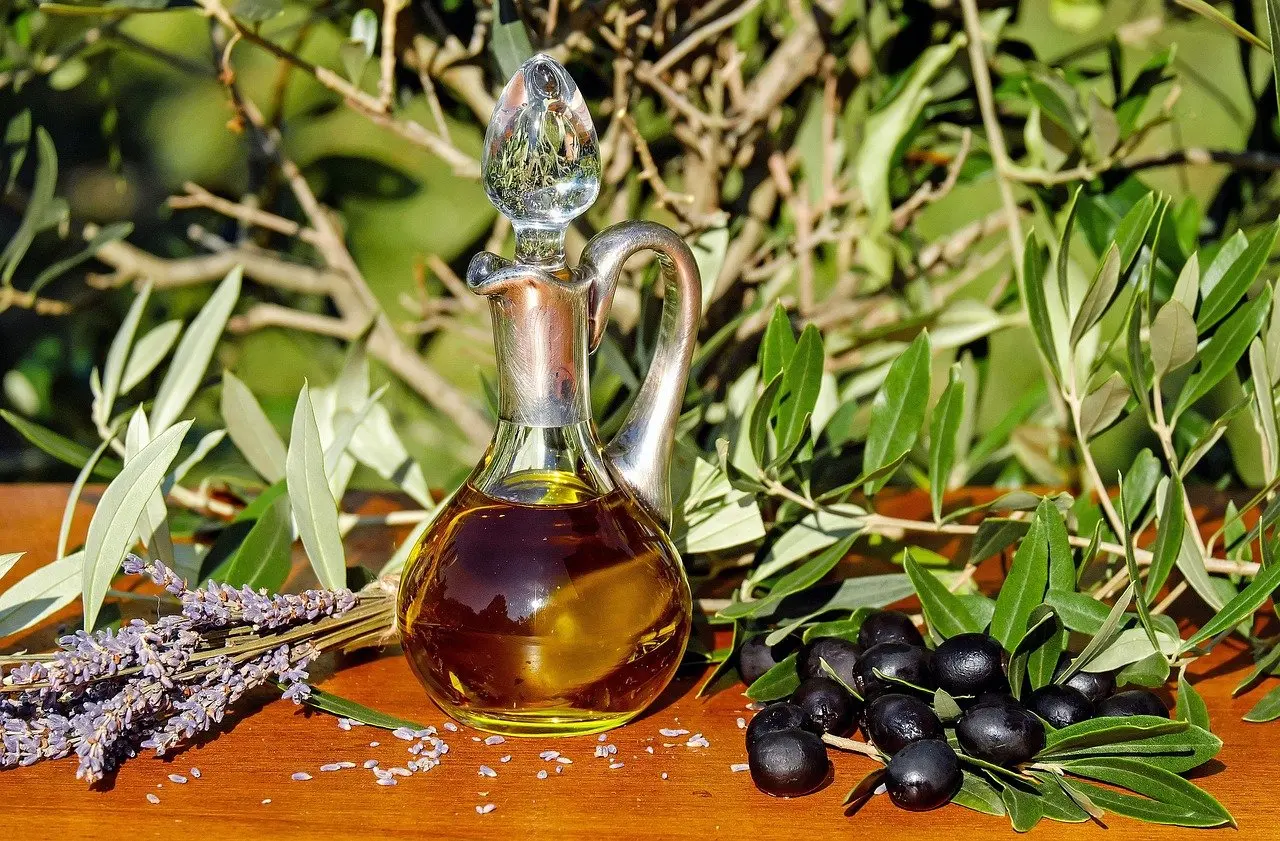
Grenache is one of the common rosé varieties, alongside Syrah, Cabernet Sauvignon, Tempranillo and Sangiovese, and it shapes the flavours of the style. For a snack table of olives, tapenade and other Mediterranean nibbles, this is the sort of bottle to open: dry, pale and easy to drink without a full meal behind it.
How rosé is made and why it changes the pairing
The method of making rosé explains most of its range, and so most of the pairing decisions. Defy’s guide describes three routes:
- Direct pressing: red wine grapes are crushed and then pressed immediately to minimise skin contact. The result is elegantly pale rosé, often labelled vin gris. Treat it as the delicate end of the spectrum.
- Drawing off (short maceration): the juice sits on the skins for brief contact, from 6 to 48 hours, similar to red winemaking. Longer contact in this window generally means more colour and more body, so these wines sit between the pale and the fuller styles.
- Saignée: juice is bled off during red winemaking. It produces more concentrated red wine, and the resulting rosé tends to have less acidity and delicacy, which is why it handles grilled food better.
Reading the label for the grape and region therefore tells you something real. A Provence bottle points towards the light, dry end, while a bottle from a warmer, more varied region may be fruitier.
Dry rosé versus sweet rosé at the table
Dry and sweet rosé do pair differently. Dry, pale wines are the flexible food partners, while sweeter pinks are better kept for casual sipping or simple dishes.
Defy notes that California’s diverse climate allows a wide range of rosé styles, from sweet to dry, and describes White Zinfandel as a sweeter pink rosé made from the Zinfandel grape. Blush styles are light-bodied with fruity flavours. As a rule of judgement, the sweeter the glass, the simpler the food should be, because sugar and fruit can crowd out delicate flavours. When in doubt, choose a dry bottle and keep sweeter pinks for a picnic or on their own.
Serving rosé for the best match
Serve rosé chilled, ideally between 45-55°F (7-13°C), according to Defy. At the cooler end the wine is crisper, which suits seafood and salads. At the warmer end a fuller rosé shows more fruit, which suits the barbecue.
Quick decision checklist
- Identify the lightest, most delicate dish on the table, such as shellfish, cured fish or a dressed salad.
- Choose a pale, dry, Provence-style bottle if that dish matters most.
- Choose a fuller, saignée-style bottle if the menu is mostly grilled or barbecued food.
- Keep sweeter, fruity pinks for picnics, casual drinking or simple food.
- Chill the bottle within the recommended range before pouring.
For a broader comparison across grapes and dishes, the wine and food pairing chart places rosé beside other styles.
Frequently asked questions
What food goes with rosé?
Seafood, salads, light pasta dishes and spicy foods are the pairings Defy lists as ideal. Chapoutier adds scallop carpaccio with mango, gravlax salmon with beetroot and a watermelon, tomato and feta salad.
Does rosé go with barbecue?
Yes. Rosé complements barbecued meats as well as light salads, and a fuller style generally copes better with smoke and char than a very pale one.
Is dry rosé different from sweet rosé for pairing?
Yes. Dry rosé is the more versatile food wine, while sweeter pinks such as White Zinfandel suit casual drinking and simple dishes.
Which grapes make rosé?
Common varieties include Grenache, Syrah, Cabernet Sauvignon, Tempranillo and Sangiovese. Provence rosé is mainly Grenache, Cinsault and Syrah.