
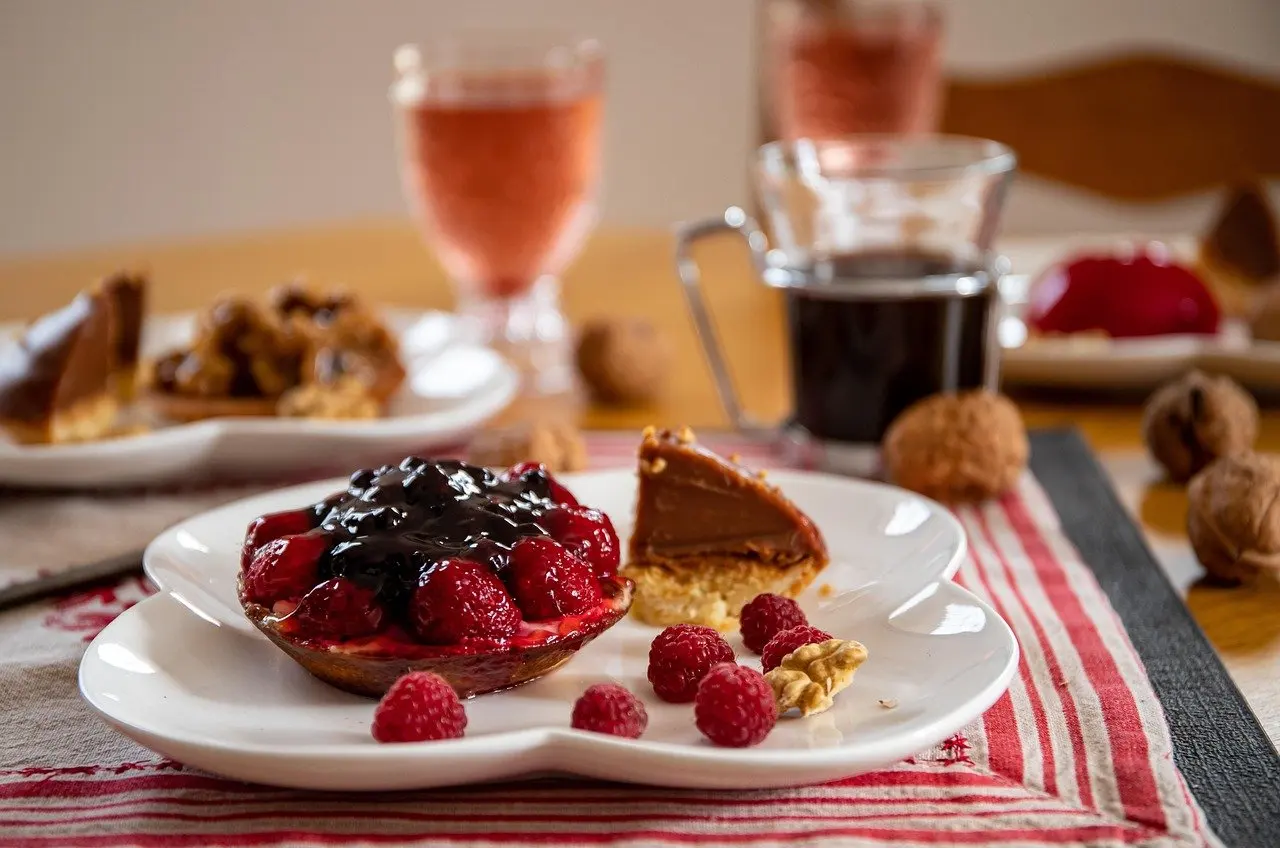
The best wine with dessert is one at least as sweet as the dish. Choose Port for dark chocolate, Moscato d’Asti for light fruit desserts, a sparkling fruity wine for cake and Sauternes for rich, salty-sweet plates.
The picks below follow the dessert on the plate rather than a league table of bottles. For the wider logic of matching weight, acidity and flavour, see how to pair wine with food.
The sweetness rule and how far it stretches
Sweetness is the first filter for dessert pairings. A sommelier-style guide from OMG Cheers states that the wine should be at least as sweet as the dessert being served. The same guide explains the cost of ignoring this: if the dessert is sweeter than the wine, the wine may taste thin or overly acidic in comparison.
Read the rule as a floor, not a target. “At least as sweet” allows a wine that matches the dessert, and it does not call for the sweetest bottle available. A very sweet wine is not automatically better beside a light dessert such as sorbet, where a lighter, fizzier style is a more natural fit.
The rule also has a useful exception in contrast pairings. Salty cheese is not a sweet dish, so the wine is not competing with sweetness and instead sets up a salty-sweet balance. That case appears in the Sauternes section below.
The order of the sections that follow is by dessert type: chocolate, fruit, cake, creamy desserts and finally salty-sweet cheese. Each section names the wine that suits it, who it suits and where it falls short.
Chocolate: Port and Pedro Ximenez sherry
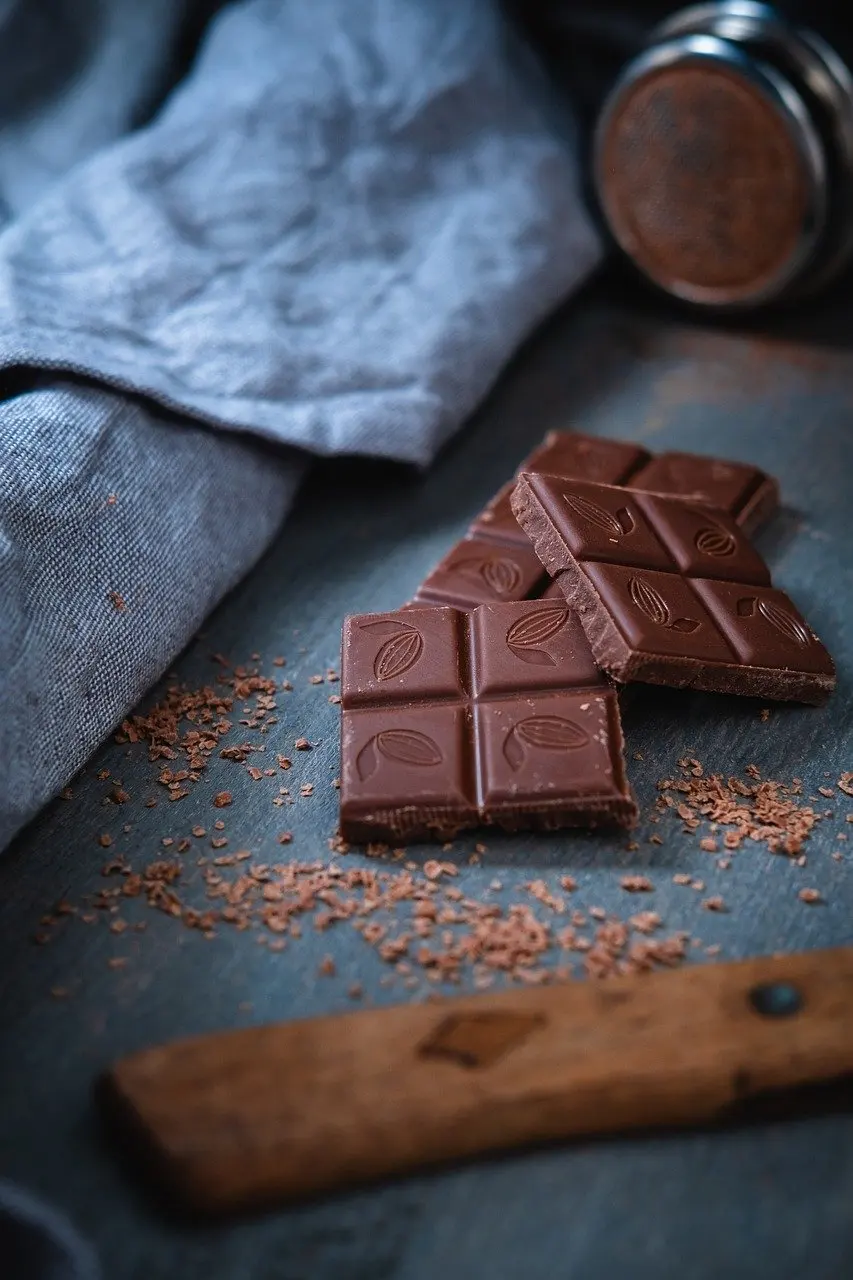
Vintage Port is the classic answer for dark chocolate. A guide to dessert wines from WebstaurantStore pairs Vintage Port with dark chocolate and profiles Port as very sweet and full-bodied, with high tannins, medium acidity and high ABV. That weight is why it holds its own against dense, bitter-leaning chocolate instead of being flattened by it.
Port suits people who want a single bottle for a chocolate course, such as squares, a flourless cake or a dark chocolate tart. Its limitation is strength. Dessert wines often have a higher alcohol content than typical table wine, according to the same guide, so Port is better poured in small measures than refilled like a table wine.
Pedro Ximenez sherry is the alternative when Port feels too tannic or too expensive. OMG Cheers says this dessert wine pairs well with chocolate, sticky toffee pudding or a rich custard. That makes it the more flexible choice for a table serving several rich puddings at once.
Anyone searching for a wine to serve with chocolate should note that milk and dark chocolate are not the same task. The Port guidance in the pack is specific to dark chocolate, so treat it as the starting point for dark chocolate and not a promise for every chocolate dessert.
Fruit desserts: Moscato d’Asti
Moscato d’Asti suits light, fruit-based desserts. OMG Cheers describes Moscato as a popular sweet wine, often with a slight fizz, that pairs well with sorbet, pavlova or a fruit salad. The style is light, fruity and floral, which keeps it from overpowering delicate fruit.
It is the best fit for hosts who want a dessert wine that does not feel heavy at the end of a long meal. It is also the natural bridge to sparkling wine, since its slight fizz brings freshness that a fortified wine does not.
The limit is intensity. Moscato’s lightness works against it beside very rich desserts: a dense chocolate course or a caramel pudding would make it seem thin, which is exactly the problem the sweetness rule warns about. Keep it for fruit, meringue and other airy plates.
Cake and cheesecake: sparkling and late-harvest styles
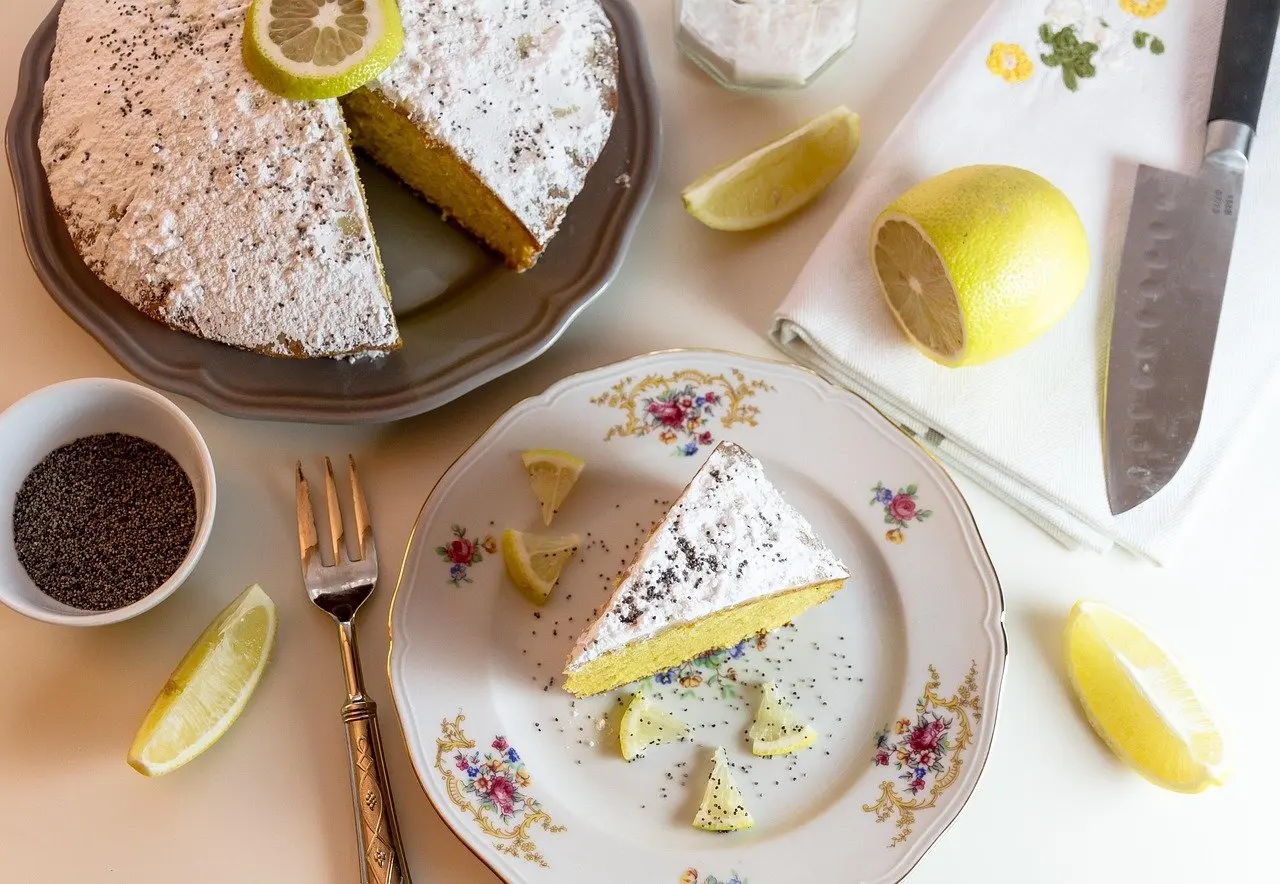
Cake generally goes well with a sparkling, fruity wine. A dessert pairing guide from Bestheim says cakes can naturally be enjoyed alongside a glass of sparkling, fruity wine. Moscato d’Asti fits that description, so it works for a plain sponge or a lemon cake as well as for fruit.
Cheesecake is a denser case. OMG Cheers points to late-harvest Riesling with cheesecake, which makes sense for a creamy, tangy dessert that needs a wine with sweetness rather than fizz alone. Choose the late-harvest style when the cake is rich and the sparkling style when it is light.
When people ask which wine goes with cake, the honest answer depends on the cake. Fruit and sponge cakes lean sparkling and fruity, while cheesecake leans late-harvest Riesling. A heavily frosted cake sweeter than the wine would push the pairing back toward the thin, acidic result described earlier.
Creamy desserts: Tawny Port and rich custards
Creamy, caramelised desserts suit Tawny Port. The WebstaurantStore guide pairs Tawny Port with creme caramel. It is the gentler Port choice for people who find Vintage Port too forceful for a soft, custardy dessert.

Pedro Ximenez sherry is a second option here, since OMG Cheers lists rich custard and sticky toffee pudding among its matches. Use Tawny Port for a clean, creme caramel-style finish and Pedro Ximenez for darker, stickier puddings.
The trade-off is that both wines are sweet and strong enough to dominate a small portion. Serve modest pours and let the dessert come first.
Salty-sweet cheese: Sauternes
Sauternes is the wine for salty blue cheese and for desserts built on richness. OMG Cheers explains that Sauternes is made from grapes affected by noble rot, which results in a lusciously sweet wine. The guide recommends pairing a salty blue cheese with a sweet, concentrated wine such as Sauternes or Port.
This is the case that tests the sweetness rule most usefully. The cheese is not a sweet dish, so the wine’s sweetness is not matched against dessert sweetness. It works through contrast, with the wine’s concentration softening the cheese’s salt.
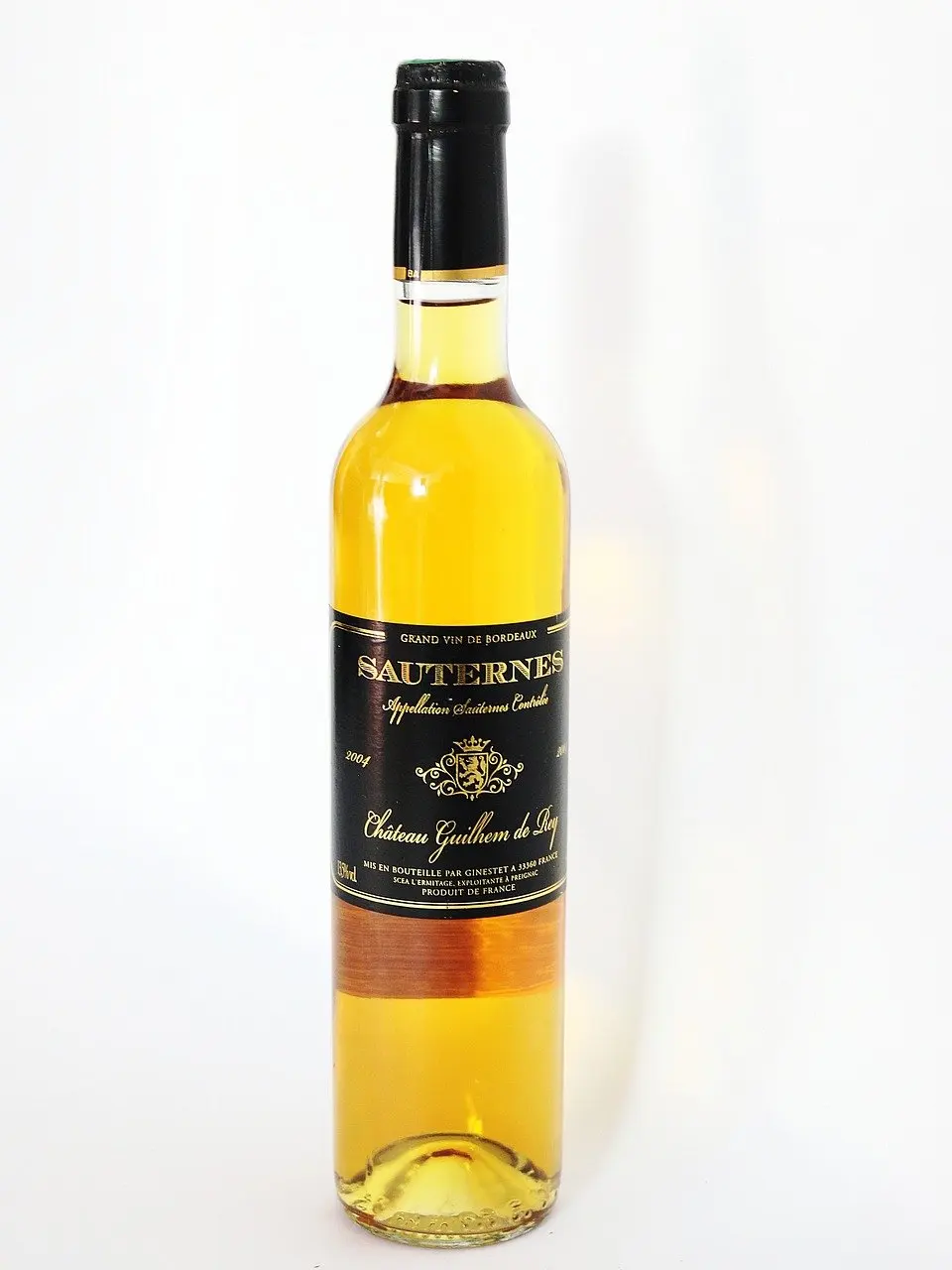
Sauternes suits the host serving a cheese course in place of, or before, a sweet dish. It is less obviously suited to chocolate, where the pack’s guidance points to Port, so keep it for cheese and rich, fruit-led puddings instead of treating it as a universal dessert wine.
Comparison of the main dessert wines
| Wine | Style | Dessert match | Planning use |
|---|---|---|---|
| Vintage Port | Very sweet, full-bodied, high tannins, high ABV | Dark chocolate | Pour small measures after a dense chocolate course |
| Tawny Port | Sweet fortified wine | Creme caramel | Choose for soft, custardy desserts |
| Moscato d’Asti | Light, fruity, floral, often slightly fizzy | Sorbet, pavlova, fruit salad | Pick for light fruit plates |
| Sauternes | Lusciously sweet, from noble rot grapes | Salty blue cheese | Use for a cheese course or a salty-sweet contrast |
| Pedro Ximenez sherry | Sweet dessert wine | Chocolate, sticky toffee pudding, rich custard | Use when serving several rich puddings |
| Late-harvest Riesling | Sweet white wine | Cheesecake | Choose for creamy, tangy cakes |
Style and pairing details come from WebstaurantStore’s dessert wine guide and OMG Cheers’ pairing guide.
Serving temperature and the course before dessert
Serve Port just below room temperature, at 60 degrees Fahrenheit, according to WebstaurantStore. Madeira is poured cooler, at cellar temperature of 55 to 58 degrees Fahrenheit. A sweet wine served too warm can feel heavy, so chilling fortified wines slightly keeps them manageable at the end of a meal.
The wine before dessert matters too, because a sweet finish works best after a clean change of course. If the main course is poultry, what wine goes with chicken covers the dry wines that lead into dessert. If the meal has heat in it, best wine with spicy food explains how sweetness and spice interact before the sweet course begins.
Frequently asked questions
Can I serve dry wine with dessert?
A dry wine is usually less sweet than the dessert, which risks the thin, acidic result described earlier. Sherry is the useful exception because it is made in both dry and sweet styles, so check the label and choose a sweet one for dessert.
Is dessert wine stronger than ordinary wine?
Often, yes. Dessert wines tend to have a higher alcohol content than typical table wine, and Port is profiled as high in ABV. Moscato, described as light and fruity, is the gentler style.
How much dessert wine should I pour?
Dessert wines are meant to be savoured in small amounts at the end of a meal. WebstaurantStore suggests a three-ounce glass for Port.
Is Sauternes a good match for chocolate?
The supplied guidance points Sauternes toward salty blue cheese, and points chocolate toward Port or Pedro Ximenez sherry. Use Sauternes for the cheese course and one of those for chocolate.