

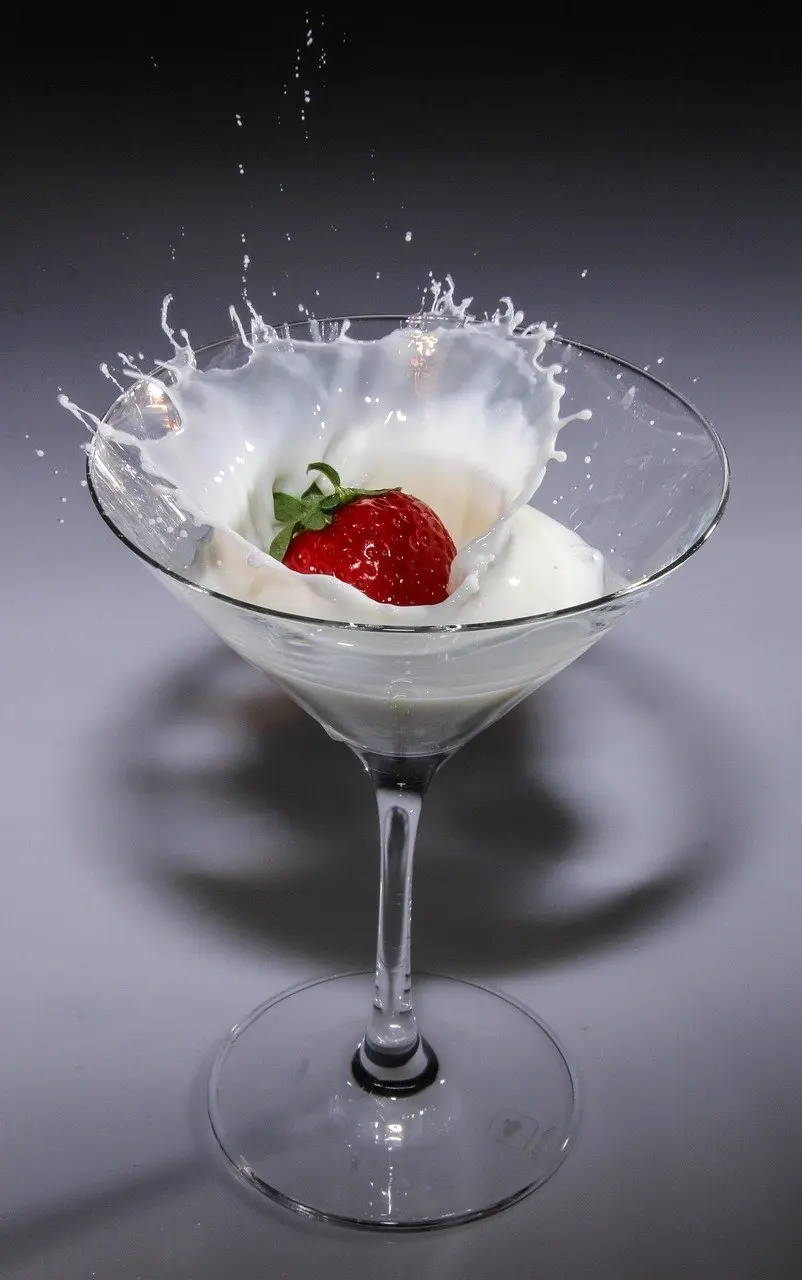
Standing in front of two bottles and wondering what is wine body? It is the weight of a wine in the mouth, from fat-free milk (light) to whole milk (full), and the label’s alcohol percentage is a useful clue.
Body is one of the traits to record in any wine review. The thresholds below are guides, and several components besides alcohol shape the feel of a wine.
Body is weight in the mouth
Wine body is the weight of a wine, set by its fats, alcohols, sugars and other components. Williams Gap Vineyard describes this weight as the body of a wine and offers a milk comparison: fat-free milk is light-bodied, 2% milk is medium-bodied and whole milk is full-bodied. Body is therefore a position on a weight scale. It is not a flavour and it does not rank one wine above another.
The table pairs the milk scale with the alcohol percentage printed on the label. That turns a feeling into a number you can check before opening the bottle.
| Body | Milk comparison | Alcohol by volume | Grapes and wines cited | Planning use |
|---|---|---|---|---|
| Light | Fat-free milk | Under 12.5% | Pinot Noir; a 2019 Vidal Blanc at 12.3% ABV | Suits drinkers who want the lightest feel on the palate. |
| Medium | 2% milk | 12.5% to 13.5% | Cabernet Franc | A middle option when light feels slight and full feels heavy. |
| Full | Whole milk | Over 13.5% | Cabernet Sauvignon, Zinfandel, bold red blends | Suits drinkers who want the heaviest mouthfeel. |
The alcohol bands, milk comparison and grape examples come from Williams Gap Vineyard’s guide to light and full-bodied wine.
Treat the bands as a quick sorting tool. A wine on the edge of a band, such as one near 12.5%, can sit between two styles, so use the milk comparison on the palate to break the tie.

What builds body besides alcohol
A common mix-up treats body as alcohol alone. Alcohol is the most checkable factor, but the same source names other contributors.
- Alcohol: it gives a wine its viscosity and is responsible for either a heavy or a light mouthfeel. This is why the percentage on the label tracks the light, medium and full bands.
- Glycerol: a tasteless substance derived naturally from fermenting grapes, it increases the perception of body. It adds weight without adding a flavour you can name.
- Residual sugar: sweeter wines are more viscous, so a wine with leftover sugar can feel heavier than its alcohol suggests.
Because several components contribute, the alcohol figure is the best first check but not the whole answer. When a wine feels heavier or lighter than its label predicts, glycerol and sugar are the likely reasons to consider.
Full-bodied red wines
Full-bodied red wines are those that normally sit over 13.5% alcohol. Williams Gap Vineyard names Zinfandel, Cabernet Sauvignon and bold red blends as wines normally above that level and considered full-bodied.
- Cabernet Sauvignon: typically full, and the clearest anchor for the whole-milk end of the scale.
- Zinfandel: usually over the 13.5% line, so the label should confirm it.
- Bold red blends: the style name itself signals weight, and the label percentage settles it.
- Pinot Noir: the contrast case. It is typically light, so a red wine is not automatically heavy.
Anyone searching for full-bodied red wines can start with these grapes and then confirm with the label. The label matters because the pairing of grape and style is a tendency, not a guarantee.
Light-bodied white wines
Light-bodied white wines fall under 12.5% alcohol, the same threshold that defines the light style for reds. The label percentage is the quickest way to sort a white wine, because grape names alone do not fix the weight.
Sauvignon Blanc
Sauvignon Blanc is typically a light to medium-bodied, crisp and refreshing white wine with notable acidity, according to a Sauvignon Blanc guide from Wine Family. The same guide says the green-skinned grape originates from the Bordeaux region of France. Its description lists body and acidity as separate traits, so a crisp, acidic white should not be assumed to be the lightest possible style. Because the range runs from light to medium, check the percentage on the bottle.
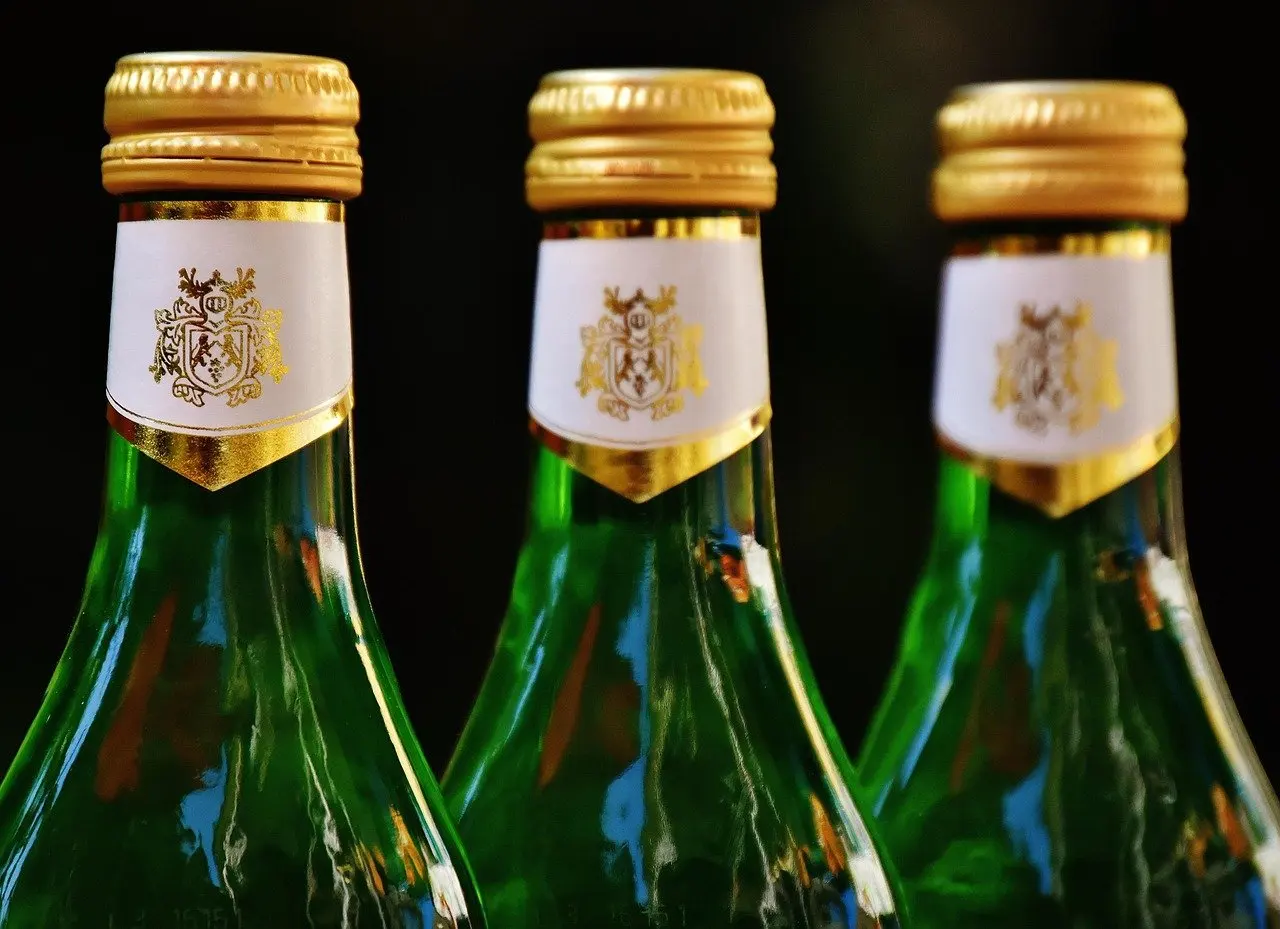
Vidal Blanc as a label example
The figure belongs to that vintage, which is another reason to read each label rather than rely on the grape name.
Judging body when tasting
Judging body takes four checks that work together, and the label is only the first of them. Hiding the label, as in how to do a blind wine tasting, leaves the milk comparison and the glass itself to do the work.
- Read the alcohol percentage. Place the wine in the light, medium or full band from the table above.
- Compare the weight to milk. Decide whether the wine feels closer to fat-free, 2% or whole milk on the palate.
- Watch the legs. Streaks running down the glass mean the wine has a high ABV or higher residual sugar, which both point to a heavier feel.
- Add the grape. Use the grape as a tie-breaker, remembering that Cabernet Sauvignon is typically full and Pinot Noir typically light.
Legs are the habit most often misread. Williams Gap Vineyard states that legs do not indicate wine quality. They are a clue to alcohol or sugar and nothing more.
Once the weight is placed, scent descriptors from the wine aroma wheel help complete the tasting note.
Frequently asked questions
| Question | Answer |
|---|---|
| Does the milk comparison replace the alcohol bands? | No. They describe the same scale in two ways: milk conveys how the wine feels, and the alcohol percentage gives a number to check on the label. |
| Does oak change body? | It can. Williams Gap Vineyard notes that the newer the oak used, the more tannin is imparted to the wine, which contributes to a fuller body. |
| Does climate affect body? | Yes. Grapes grown in warmer climates tend to produce richer, more full-bodied wines, so a grape can read fuller when it comes from a warm region. |