
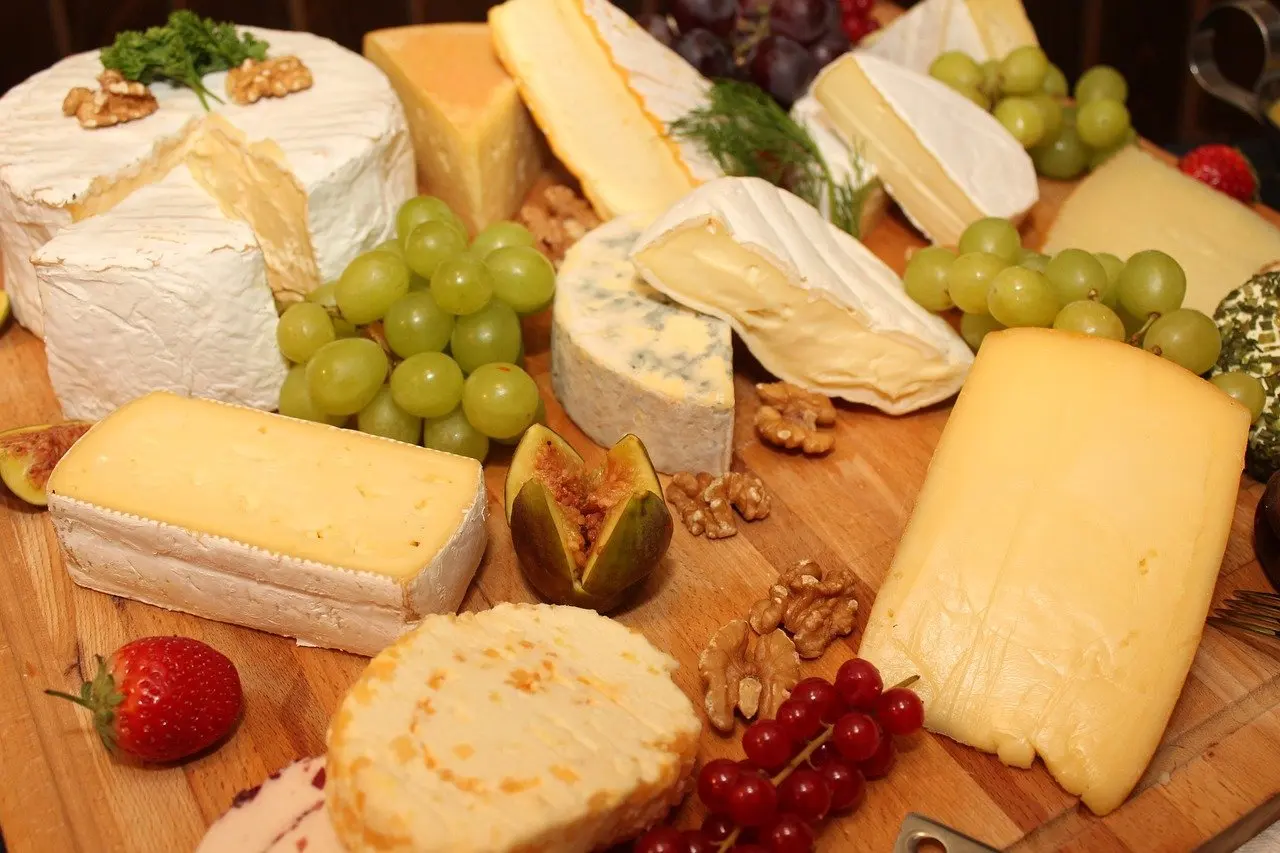
For wine and cheese pairing, match the wine to the cheese family: crisp, high-acidity whites for fresh and soft-rind cheeses, sweet dessert wines for blue cheese, and structured, tannic reds for aged hard cheese. This is an ordered selection, not a ranking.
The same family-first logic runs through the wider guide on how to pair wine with food. Cheese on a pizza is a separate decision, covered under what wine goes with pizza.
How to choose a wine for cheese
Cheese is a food made from the pressed curds of milk, according to Le Gourmet Central’s pairing guide. Texture and age change how it behaves next to wine. That is why a single “best wine for cheese” does not exist, and why the families below run from the freshest to the most aged.
Three criteria sort the choices that follow:
- Texture and age. Fresh cheeses are unaged and creamy. Soft-rind cheeses age briefly. Hard cheeses age longer and become grainy and low in moisture.
- Intensity. The same guide advises matching a medium-bodied red with a medium-bodied cheese, so a delicate cheese and a heavy wine rarely suit each other.
- Contrast. Sweetness is used to offset saltiness, which is the logic behind dessert wine with blue cheese.
Anyone who wants named-cheese pairings beyond these families can consult Janet Fletcher’s book, which tours 70 cheeses with wine pairings and serving suggestions in its 2011 edition.
Fresh and soft-rind cheeses
Fresh and soft-rind cheeses share one wine direction. Le Gourmet Central recommends crisp, refreshing white wines with high acidity for both, such as Sauvignon Blanc, Pinot Grigio, Albariño and Vermentino. Tannic reds are not the first choice here, because the guide steers tannin-heavy wines toward hard cheese instead.
Goat cheese
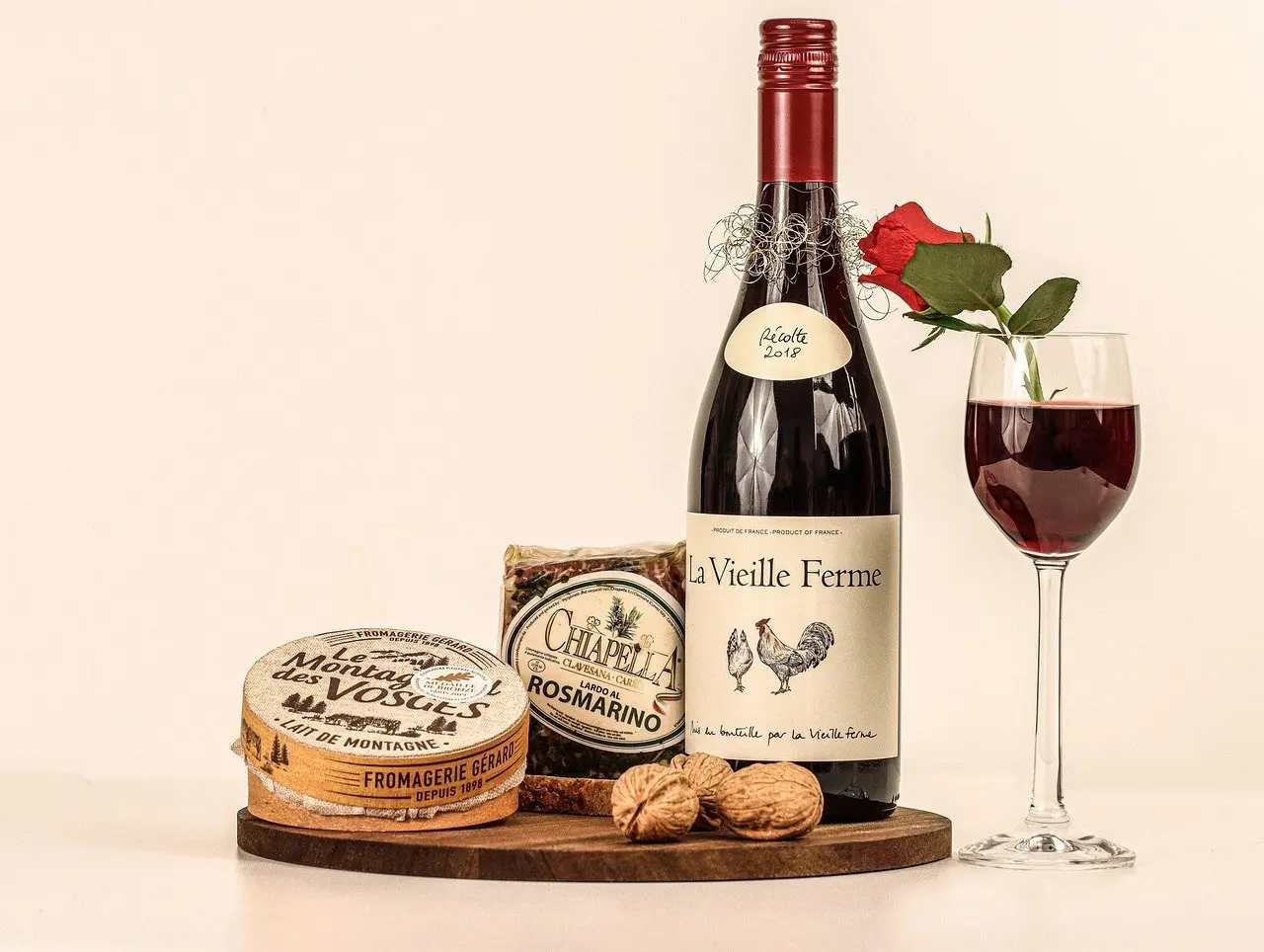
Goat’s cheese is the guide’s example of a fresh cheese. Fresh cheeses are not aged, and they are milky, tangy and creamy. Sauvignon Blanc is the clearest answer to the question of what wine pairs with goat cheese, since its high acidity suits a tangy, creamy texture. Pinot Grigio, Albariño and Vermentino work in the same way if Sauvignon Blanc is not to hand.
This suits anyone building a light starter board or serving cheese with salad. It is less useful if the goat cheese has been aged, because then the hard-cheese logic further down applies.
Brie
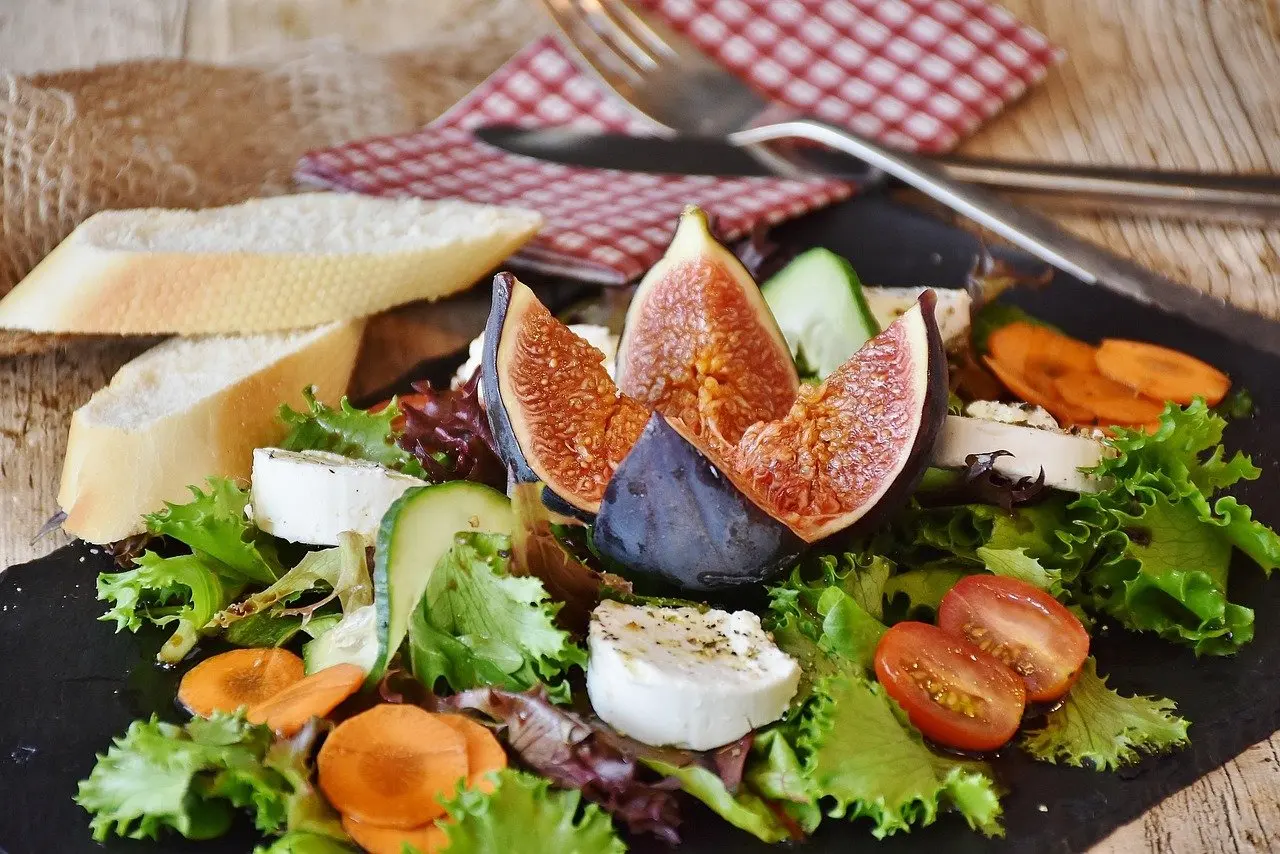
Brie belongs to the soft-rind group, which the guide describes as gooey cheeses with a powdery rind that age for brief periods and are affected by mould. The answer to what wine goes with brie is therefore the same crisp, high-acidity white used for fresh cheese. Sauvignon Blanc is the named example.
Choose this pairing when the brie is young and creamy. Pick a different route if the cheese is washed-rind rather than bloomy, as described below.
Blue cheese and sweet wine
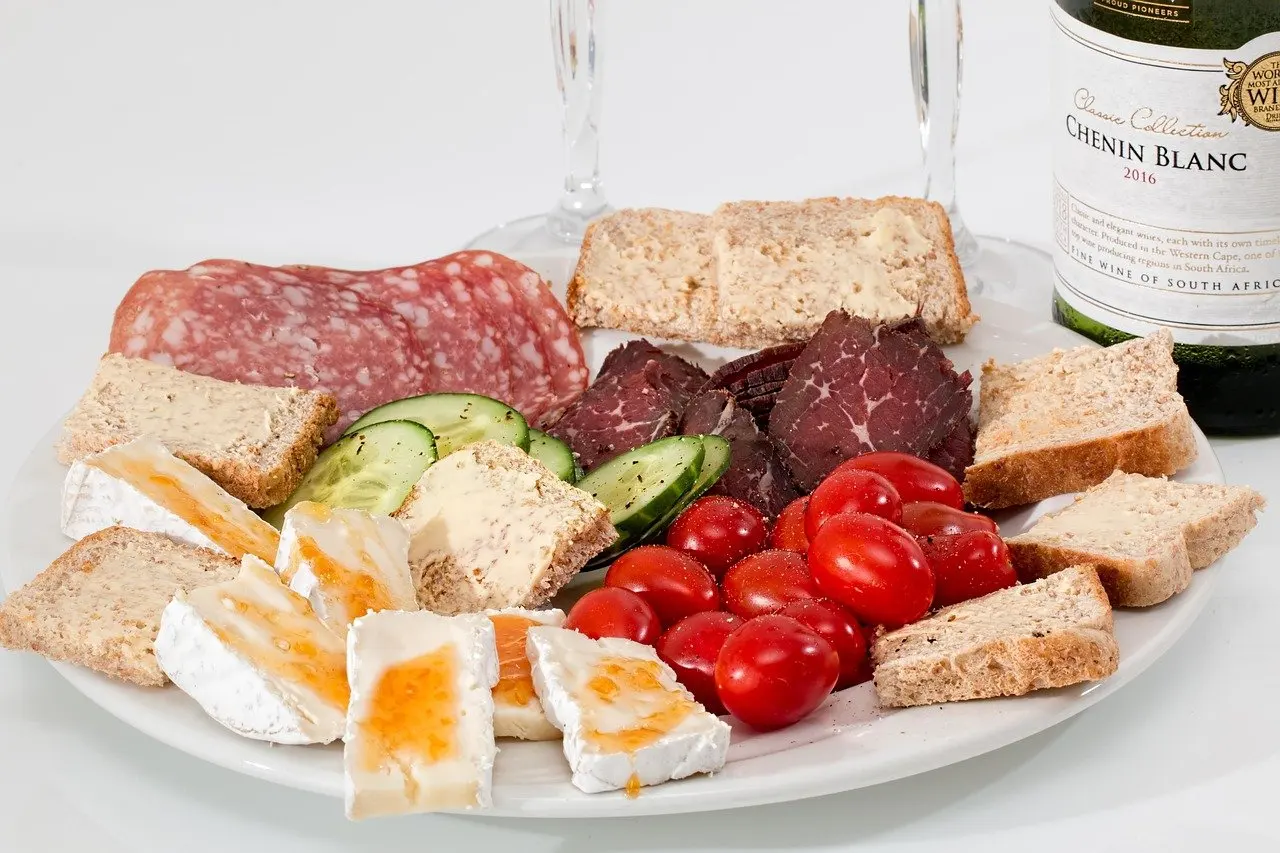
Sweet dessert wines are cited as the best pairing for blue cheese, because the sweetness contrasts the saltiness and pungency. Cheesemakers create the green and blue veins by injecting Penicillium roqueforti spores, and the result is an intensely flavoured cheese.
That intensity is why a delicate, dry white tends to be overpowered. When deciding what wine goes with blue cheese, treat sweetness as the deciding attribute rather than colour. It suits anyone who likes a sweet-salty finish at the end of a meal. It will not suit a drinker who wants a dry wine throughout.
Washed-rind and semi-soft cheeses
Washed-rind cheese pairs well with aromatic white wines. Le Gourmet Central names Chenin Blanc, Torrontés and Riesling. This is the family where a more perfumed white is a better fit than the crisp, neutral styles used for fresh cheese.
For semi-soft and semi-hard cheeses the guide offers a different rule. Any medium-bodied red wine pairs nicely with a medium-bodied cheese. This is the clearest case of red wine and cheese going together without a tannin warning, since the weight of the two is matched.
Aged hard cheese and tannic reds
Hard cheeses are the family that most clearly suits red wine. Their flavours are intensified, they can be quite salty, and the texture is grainy with low moisture. Le Gourmet Central pairs them with structured reds that are high in tannins, the grainy particles that dry the mouth.
This answers whether red wines really go with cheese. Yes, but selectively. Tannic reds are matched to the most intense, aged cheeses, while lighter fresh and soft-rind cheeses lean toward whites. A tannic red with a delicate cheese puts a heavy wine next to a light food, which breaks the matching-weight principle.
Comparison of cheese families and wine styles
| Cheese family | Character | Wine style | Planning use |
|---|---|---|---|
| Fresh (goat’s cheese, ricotta, cottage) | Unaged; milky, tangy, creamy | Crisp, high-acidity whites such as Sauvignon Blanc | Pick a bright white for light boards and salads |
| Soft-rind (brie style) | Gooey, powdery rind; brief ageing | Crisp, high-acidity whites; dry sparkling also suitable | Keep the wine fresh rather than heavy |
| Washed-rind | Distinct rind treatment | Aromatic whites: Chenin Blanc, Torrontés, Riesling | Choose a perfumed white over a neutral one |
| Semi-soft and semi-hard | Medium-bodied | Medium-bodied reds | Match weight with weight |
| Blue | Veined by Penicillium roqueforti; intensely flavoured, salty | Sweet dessert wines | Use sweetness to offset salt and pungency |
| Aged hard | Intensified, quite salty, grainy, low moisture | Structured, tannic reds | Save the most powerful reds for these cheeses |
These pairings follow the cheese-family guidance in Le Gourmet Central’s wine and cheese guide.
Frequently asked questions
Can sparkling wine replace a white with soft cheese?
Yes. Dry sparkling wine is described as appropriate for both fresh and soft-rind cheeses. For more on bubbles at the table, see what to eat with champagne.
Does fresh cheese need to be eaten young?
Fresh cheeses are not aged at all and are often better enjoyed sooner rather than later, so serve them soon after buying.
Where can I find pairings for specific named cheeses?
Janet Fletcher’s book covers 70 cheeses with wine pairings and serving suggestions. The family approach above is the faster route when a cheese is not named in a book.